If you walk or drive through Los Feliz, one thing becomes clear fast: this is not a one-note neighborhood. Instead of a single look, you will find a layered mix of revival-era homes, hillside modernism, and newer design that reflects decades of Los Angeles architecture. If you are buying, selling, or renovating here, understanding those styles can help you spot value, read a home more clearly, and make smarter decisions. Let’s dive in.
Why Los Feliz Feels So Distinct
Los Feliz reads as a layered hillside neighborhood rather than a single-style district. Los Angeles City Planning describes the Los Feliz Heights Residential Historic District as a cohesive collection of Period Revival single-family homes built between 1920 and 1949 on the south-facing slope of Mt. Hollywood.
That setting matters as much as the houses themselves. Curving streets, irregular sloping lots, mature vegetation, period street lights, and public stairways all shape how the architecture is experienced from the street.
The neighborhood also includes a mixed commercial layer. City Planning describes the nearby Los Feliz Village Commercial Historic District as a storefront corridor with mostly vernacular buildings plus Spanish Colonial Revival, Art Deco, Streamline Moderne, and Mid-Century influences.
That mix helps explain why Los Feliz feels visually rich instead of uniform. Residential blocks often show the strongest Period Revival character, while later modern and contemporary homes add another chapter to the neighborhood’s story.
Spanish Colonial Revival in Los Feliz
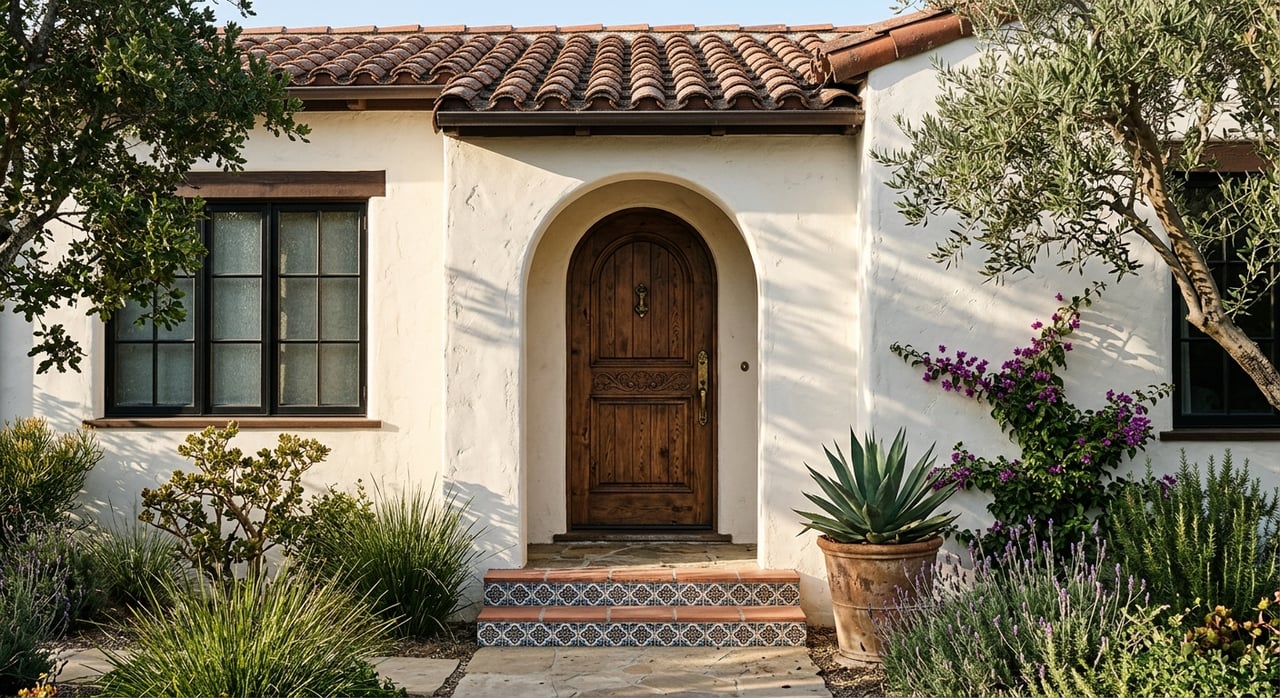
Spanish Colonial Revival is one of the most recognizable styles you will find in Los Feliz. In Los Angeles, the style is closely tied to the region’s climate and to Spanish and Mexican heritage, which gives it a strong local identity.
Key features to notice
You will often see:
- Stucco or plastered walls
- Low-sloped clay-tile roofs
- Arches and arcades
- Patios and courtyards
- Loggias and sheltered transitions
- Wrought iron details
- Decorative tile
- Towers used as vertical accents
These homes usually feel warm and grounded. Their design often blends the building with outdoor space rather than separating the two.
How the floor plan usually feels
Spanish Colonial Revival homes are often horizontal and asymmetrical. Instead of a strict center-hall layout, living spaces may be organized around patios, courtyards, or loggia-like connections.
That planning is a big part of the appeal. For many buyers, the indoor-outdoor relationship feels especially suited to Los Angeles living.
What buyers and sellers should know
If you are buying one of these homes, look closely at the texture of the stucco, the color and profile of the clay tile roof, and how the house sits on its lot. Those details are often part of what gives the property its architectural value.
If you are preparing to sell, preserving visible period character can matter. Additions or updates generally feel more authentic when they do not overpower the original massing or disconnect the home from its site.
Tudor Revival in Los Feliz
Tudor Revival is another major part of Los Feliz’s residential identity. In Los Angeles, this style appears in homes ranging from modest houses to larger estates, and its charm often comes from a more intimate, room-by-room feel.
Key features to notice
Common Tudor elements include:
- Irregular forms
- Brick or stucco exteriors
- Decorative half-timbering
- Steep multi-gabled roofs
- Massive chimneys
- Arched vestibules
- Tall, narrow multi-paned casement windows
These homes often feel textured and handcrafted from the street. Their silhouettes tend to be more dramatic than the lower, more horizontal lines of Spanish Colonial Revival houses.
How the floor plan usually feels
Tudor Revival homes are usually informal and irregular rather than symmetrical. Wings, projecting masses, and rooms that feel like they evolved over time are part of the style’s character.
That can create a strong sense of enclosure and separation between spaces. If you prefer defined rooms over one large open plan, Tudor homes may feel especially comfortable.
What buyers and sellers should know
When evaluating updates, pay attention to roof pitch, chimney massing, half-timbering, and window proportions. Those are often central to the home’s architectural identity.
For sellers, thoughtful improvements usually work best when they preserve those visual anchors. Updated kitchens, baths, and systems can pair well with a Tudor home if the exterior character remains legible.
Mid-Century Modern in Los Feliz
Los Feliz also has a meaningful modernist layer. SurveyLA notes that Mid-Century Modern architecture is especially strong in custom hillside homes from the 1950s and 1960s, and the neighborhood’s design pedigree is reinforced by landmark work associated with Wright and Neutra.
Key features to notice
Mid-Century Modern homes often include:
- Geometric forms
- Smooth wall surfaces
- Flat or low-pitched roofs
- Minimal exterior ornament
- Post-and-beam construction in custom homes
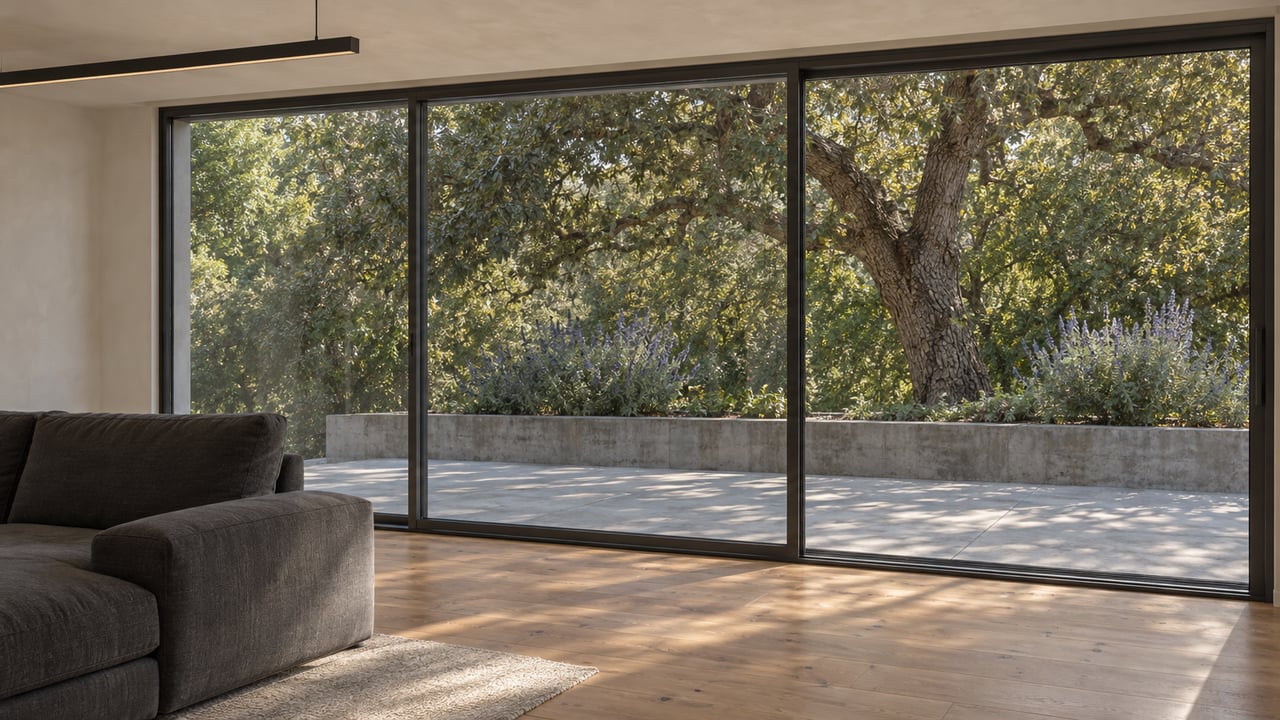
- Broad expanses of glass
These homes usually read as lighter and more open than the earlier revival styles. In hillside settings, they often use glass and orientation to frame views and connect interior rooms to outdoor space.
How the floor plan usually feels
The typical Mid-Century Modern plan emphasizes open interior spaces, strong horizontal lines, and glass-oriented living areas. Transparency and flow are central to the experience.
If you like daylight, long sightlines, and a cleaner visual field, this style often delivers that in a very direct way. It can feel quite different from the more enclosed atmosphere of Tudor homes.
What buyers and sellers should know
Look for original fenestration patterns, rooflines, structural expression, and garage doors when assessing condition or authenticity. Those details can be character-defining.
If updates have been made, the most successful ones usually keep the original pattern and proportions intact. A renovation tends to feel stronger when it respects the house’s structural logic instead of disguising it.
Contemporary Homes in Los Feliz
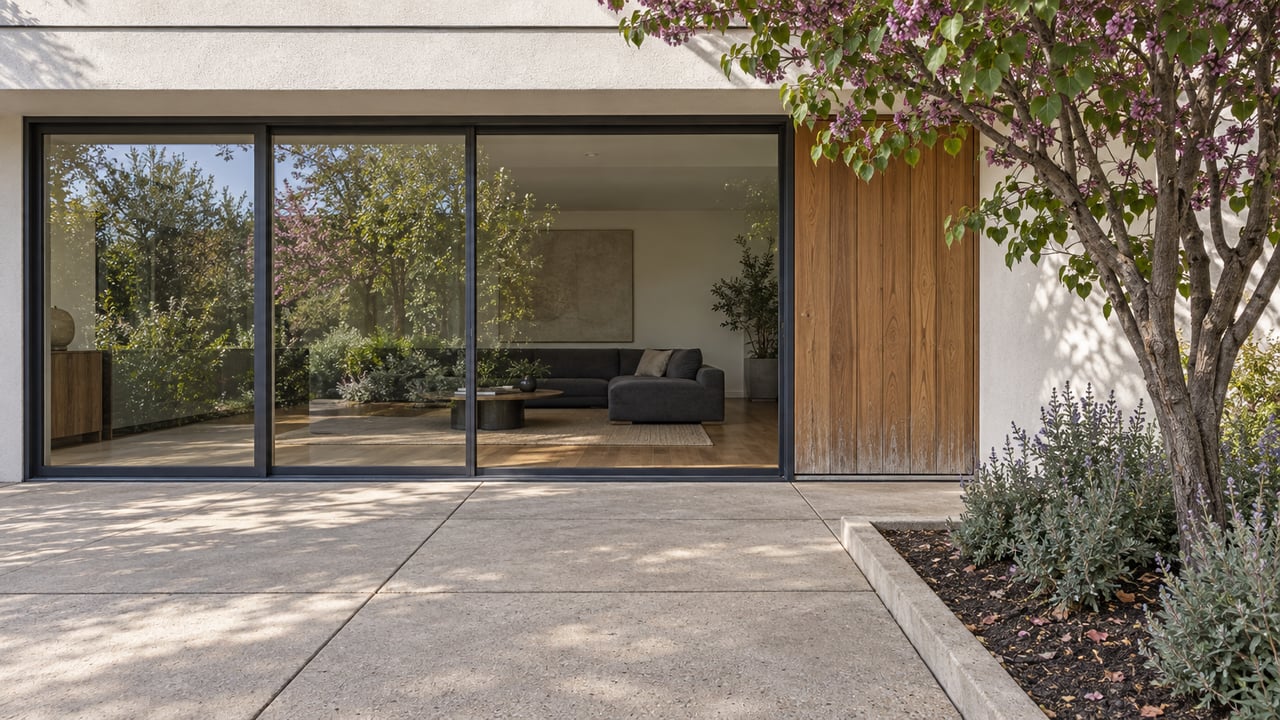
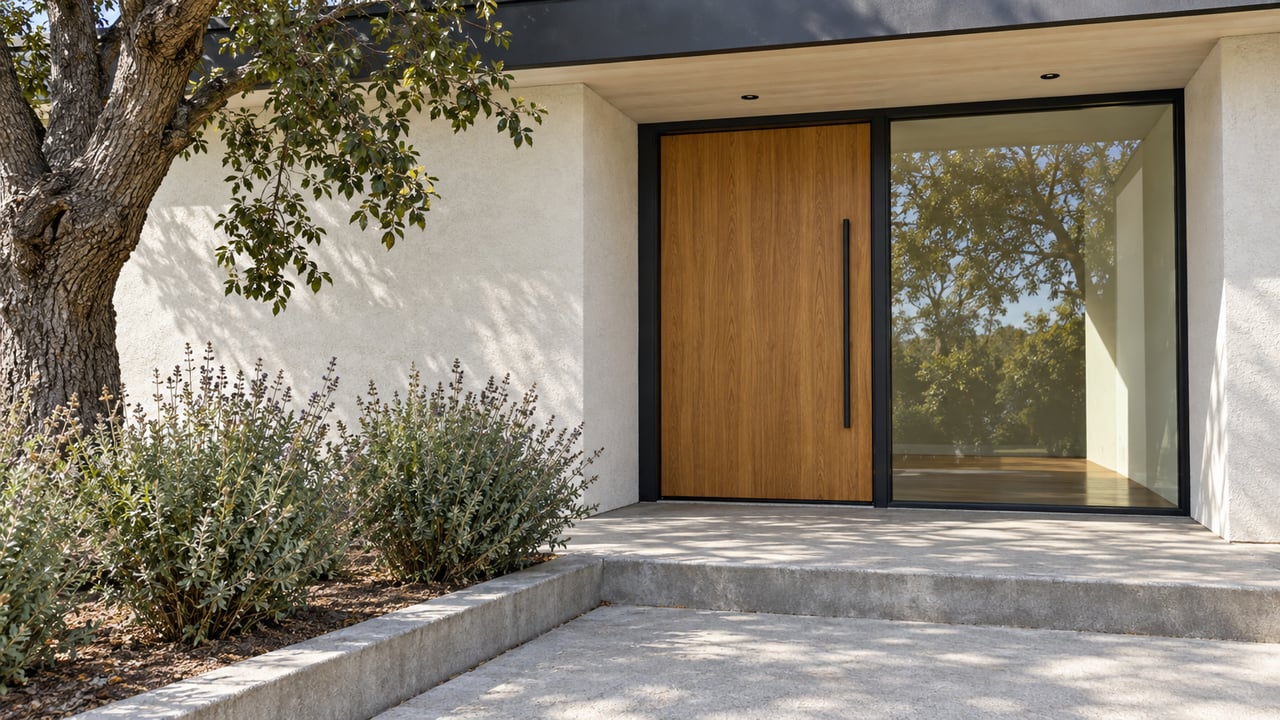
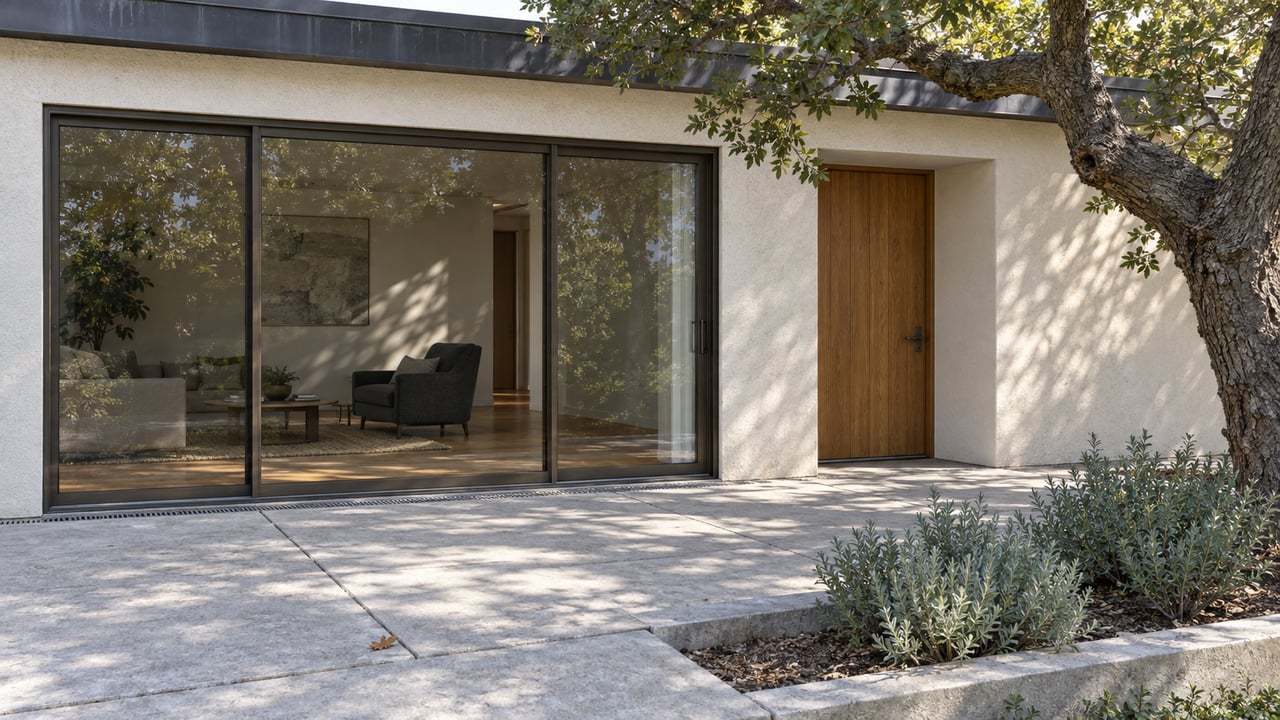
Contemporary homes are the newest layer in Los Feliz. Unlike a historic revival style, contemporary is better understood as a current design category shaped by today’s priorities.
Key features to notice
Contemporary homes often emphasize:
- Open floor plans
- Asymmetry
- Sustainability-minded design
- Large areas of glass
- Skylights
- Minimal ornament
In Los Feliz, these homes often stand out for their lighter visual feel and newer systems. They can offer a more flexible layout than older houses with formal room separation.
How the floor plan usually feels
Most contemporary plans prioritize light, views, and circulation. The spaces are usually open, adaptable, and less bound to traditional room hierarchy.
For some buyers, that flexibility is the main draw. For others, the appeal is practical: a newer home may offer updated systems and a more streamlined daily living experience.
What buyers and sellers should know
In a hillside neighborhood like Los Feliz, contemporary design works best when it respects topography, privacy, and the street’s visual rhythm. In designated historic districts, new work must complement historic character rather than compete with it.
That means a successful contemporary addition is often clearly secondary to the original house. The goal is usually compatibility, not visual dominance.
Which Styles Appear Most Often?
On many Los Feliz residential blocks, the most visible layer is still Period Revival architecture. Spanish Colonial Revival and Tudor Revival are especially prominent, while Mid-Century and contemporary homes appear as later additions to the neighborhood fabric.
That balance is part of what makes Los Feliz so appealing. You get a strong historic baseline, but not a frozen one.
For buyers, this variety creates real choice in how a home lives and feels. For sellers, it means your property is often being judged not just as a house, but as part of a broader architectural streetscape.
Renovation Tips for Los Feliz Homes
If you are considering updates, the first step is simple: check designation status before making assumptions. Los Angeles City Planning recommends using ZIMAS and related landmark tools to confirm whether a property is a Historic-Cultural Monument, listed or eligible for state or national registers, or a contributing property in a local historic district.
That status can materially affect what work is reviewed and how changes are evaluated. In designated local districts, exterior work such as landscaping, alterations, additions, and new construction may be subject to review.
What usually matters most
Across styles, several themes come up again and again in City and SurveyLA guidance:
- Roof shape
- Window proportions
- Original materials
- Relationship between the house and its site
- Landscaping and setting
- Overall massing and feeling
In practical terms, renovations usually feel more authentic when they preserve those fundamentals. A house can evolve, but it tends to show best when the original architectural logic still reads clearly.
What work may be reviewed
In local historic districts, maintenance-type work may often be handled through administrative clearance. That can include items such as window work, reroofing, and stucco repair.
Larger additions, demolition, or removal of historic features can require a more involved review process. If you are buying with renovation plans or selling after improvements, this is worth understanding early.
Incentives may also matter
The Mills Act is the City’s main preservation incentive. It can provide a property tax reduction for Historic-Cultural Monuments and contributing properties in HPOZ areas.
For some owners, that can become part of the financial picture. It is another reason designation status should be part of your due diligence.
What This Means for Buyers and Sellers
For buyers, architectural style is more than curb appeal. It shapes layout, light, renovation flexibility, and how a home relates to the hillside lots and streetscape around it.
For sellers, presentation matters most when it helps buyers understand the home’s identity. In Los Feliz, the most compelling homes are often the ones that keep period details visible while updating kitchens, baths, systems, and additions in ways that do not break the original massing or fenestration.
That does not mean every home must be restored to one moment in time. It means the strongest results usually come from updates that respect what made the house special in the first place.
If you are trying to evaluate a Los Feliz property, architecture is not just aesthetic. It is a practical lens for understanding livability, renovation scope, and market positioning.
If you want guidance on buying or selling an architecturally distinct home in Los Angeles, Amanda Watkins offers a concierge-level approach with thoughtful strategy, clear communication, and polished representation.
FAQs
What architectural style is most common in Los Feliz residential areas?
- Los Feliz residential blocks are most strongly defined by Period Revival homes, especially Spanish Colonial Revival and Tudor Revival, with Mid-Century Modern and contemporary homes added later.
What defines a Spanish Colonial Revival home in Los Feliz?
- Spanish Colonial Revival homes in Los Feliz often feature stucco walls, low-sloped clay-tile roofs, arches, courtyards, wrought iron details, and a strong connection between indoor and outdoor spaces.
What defines a Tudor Revival home in Los Feliz?
- Tudor Revival homes in Los Feliz often include steep gabled roofs, brick or stucco exteriors, decorative half-timbering, tall narrow windows, and prominent chimneys.
What makes a Mid-Century Modern home in Los Feliz stand out?
- Mid-Century Modern homes in Los Feliz often stand out for geometric forms, broad glass expanses, minimal ornament, and open plans that connect living spaces to views and outdoor areas.
How should you renovate a historic-style home in Los Feliz?
- The most authentic renovations usually preserve rooflines, window openings, materials, and the home’s relationship to its site while keeping additions compatible with the original design.
Does historic designation affect renovation rules in Los Feliz?
- Yes. If a Los Feliz property is designated or located in a local historic district, exterior changes, additions, landscaping, or demolition may be subject to City review.
Why does architectural style matter when buying in Los Feliz?
- Architectural style affects how a home feels, how the floor plan functions, what renovations may be appropriate, and how the property fits into the surrounding streetscape.
Can historic status offer financial benefits for Los Feliz homeowners?
- In some cases, yes. The City’s Mills Act program can provide a property tax reduction for qualifying Historic-Cultural Monuments and contributing HPOZ properties.