If you want a Los Angeles neighborhood that feels connected without feeling chaotic, Studio City often lands on the shortlist. You may be looking for a place with easy daily routines, a clear sense of place, and access to both city life and outdoor space. The good news is that Studio City offers a layered lifestyle that blends residential streets, familiar local hubs, and strong connections across LA. Let’s dive in.
Studio City at a Glance
Studio City sits in the southeast San Fernando Valley, just north of the Santa Monica Mountains. It is part of the Sherman Oaks, Studio City, Toluca Lake, and Cahuenga Pass community plan area, and its location places you near major routes like the 101 and 405, with the Cahuenga Pass linking the neighborhood to Hollywood.
The neighborhood name traces back to Mack Sennett’s 1927 studio lot, now known as Radford Studio Center. That studio legacy still shapes the area’s identity today, giving Studio City a distinctive connection to Los Angeles history and the entertainment industry.
Studio City Feels Like Smaller Pockets
One of the most useful ways to understand Studio City is to think of it as a collection of connected pockets rather than one dense urban core. City planning documents describe a mix of single-family neighborhoods, multifamily areas along Moorpark Street, and commercial uses near Laurel Canyon Boulevard and Ventura Boulevard.
For you, that often translates into a neighborhood that feels residential in one moment and highly convenient in the next. You can move between quieter blocks, busier retail corridors, and neighborhood gathering spots without feeling like everything is centered in one downtown district.
Ventura Boulevard Shapes Daily Life
Ventura Boulevard is the main commercial spine in Studio City. It anchors much of the neighborhood’s dining, shopping, and daily errand-running, which gives everyday life a practical rhythm.
Instead of relying on one central plaza or business district, Studio City tends to revolve around a few familiar corridors and hubs. That layout helps create a local feel, where day-to-day routines often happen along streets you come to know well.
Tujunga Village Adds a Local Hub
Tujunga Village is one of the neighborhood’s well-known hubs for restaurants and shops. Along with Ventura Boulevard, it helps reinforce the idea that Studio City offers a corridor-based lifestyle with pockets of activity rather than a single all-purpose center.
The neighborhood also includes civic touchpoints that add to that sense of routine and connection. Local resources highlight the Sunday farmers market on Ventura Place, the business district, the branch library, and neighborhood organizations that support community life.
Homes in Studio City Vary Widely
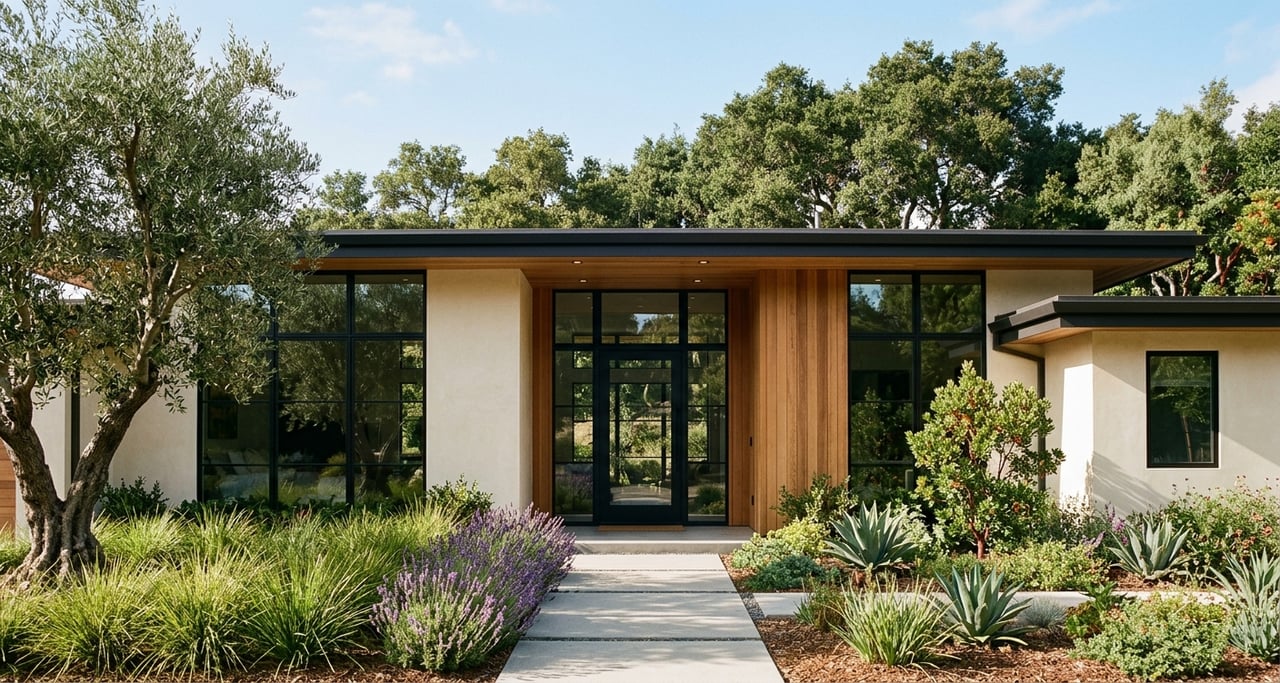
If you are starting a home search here, it helps to know that Studio City is not a one-style market. The housing stock includes single-family homes, multifamily buildings, and a range of architectural periods that reflect the neighborhood’s long development history.
Historic resources for the broader area point to early homes from the teens and early 1920s, courtyard apartments and dingbats from the 1940s and 1950s, and later residences in styles such as Spanish Colonial Revival, Tudor Revival, Streamline Moderne, Mid-Century Modern, and Late Hollywood Regency.
Expect a Layered Look
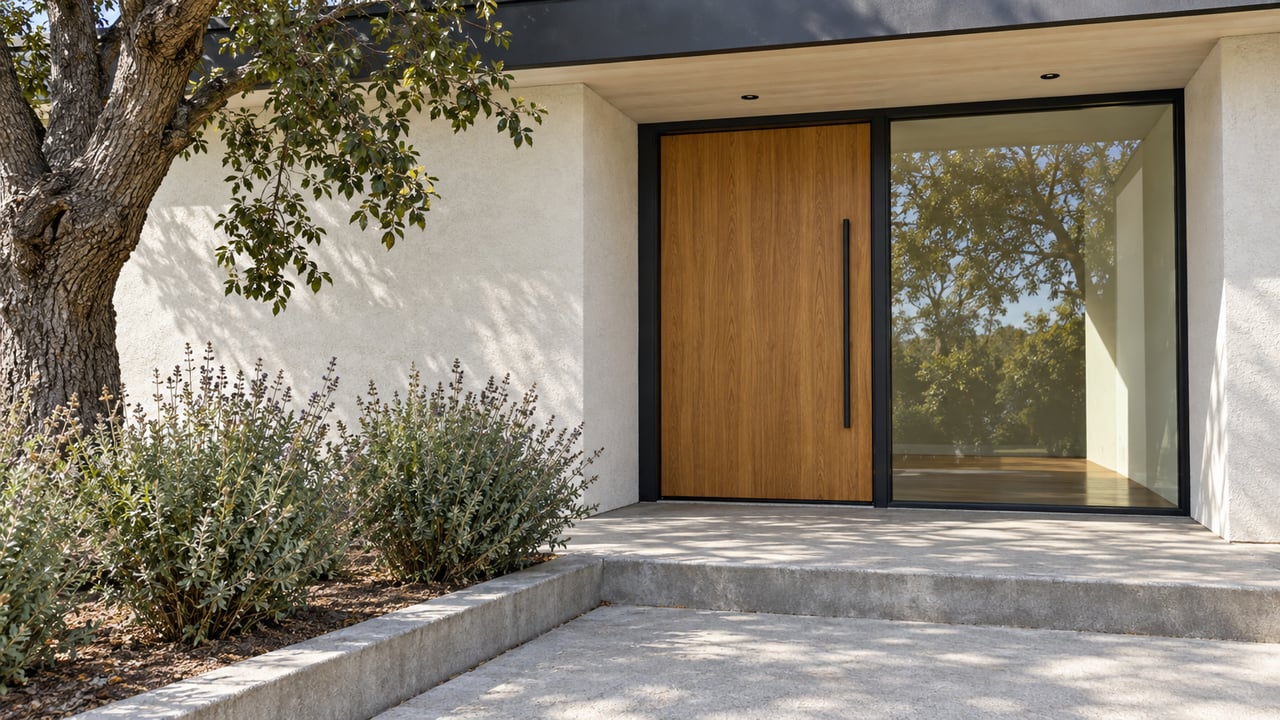
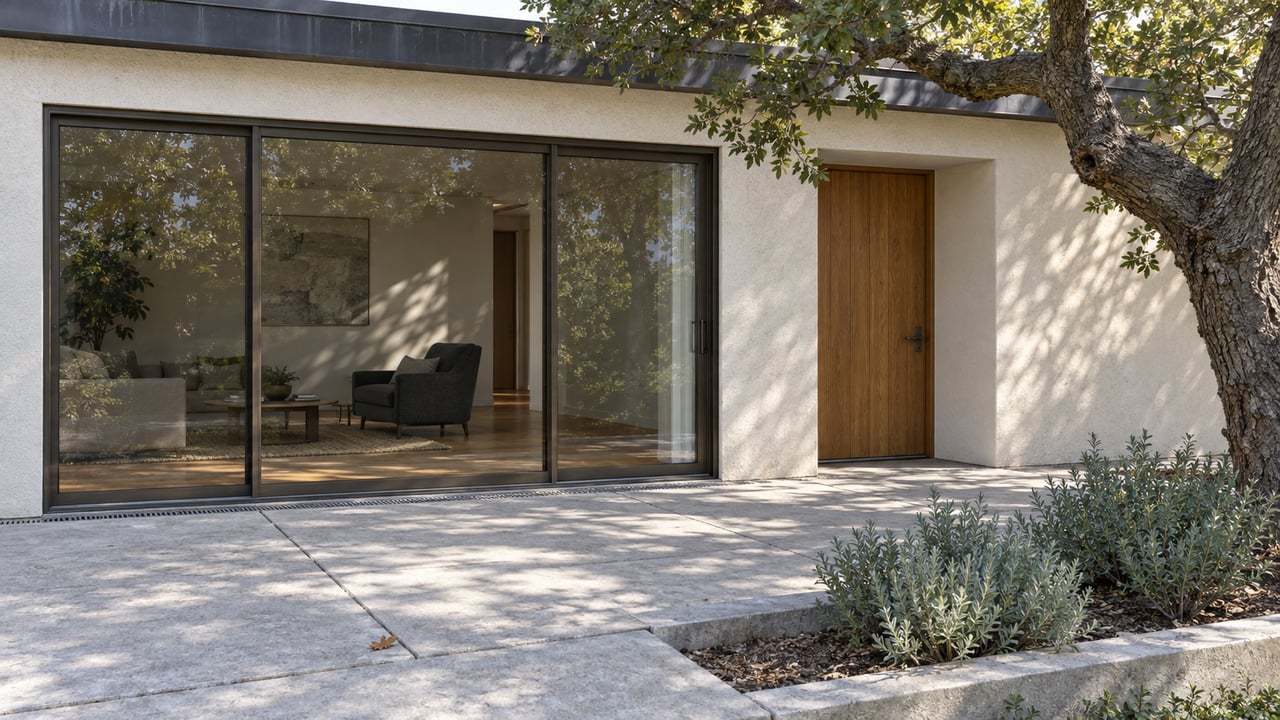
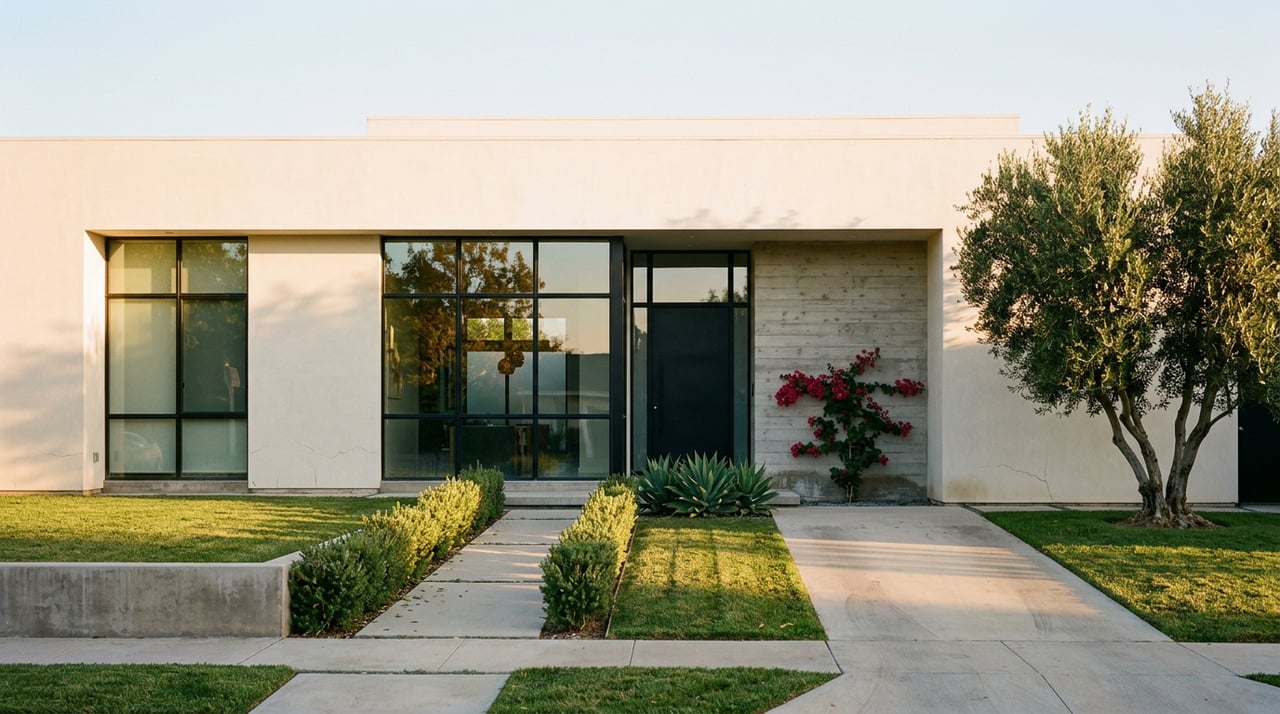
In practical terms, Studio City often feels layered rather than uniform. You may find classic older homes on one street, postwar apartment buildings on another, and newer contemporary hillside properties nearby.
That variety is part of the neighborhood’s appeal. It can give buyers more options depending on whether you are drawn to architectural character, a condo or multifamily opportunity, or a more modern residential style.
Entertainment History Runs Deep
Studio City’s residential identity has long been tied to the entertainment industry. Historic survey work found a concentration of housing associated with entertainment-industry figures, which adds another dimension to the neighborhood’s character.
For buyers relocating within Los Angeles or moving in from out of town, that connection can help explain why Studio City feels so distinct. It is not just close to entertainment centers. Its housing history has been shaped by them.
Outdoor Access Is a Real Advantage
One of Studio City’s strongest lifestyle benefits is how easily you can reach outdoor space. If you want a neighborhood where hiking and walking are part of the weekly routine, this area offers more than one option.
You are not limited to one type of recreation here, either. Studio City gives you access to hillside trails as well as flatter walking paths, which makes it easier to match your outdoor time to your schedule and pace.
Fryman Canyon Supports an Active Routine
Fryman Canyon Park is a 122-acre open-space park in the eastern Santa Monica Mountains. It offers views, hiking, a fitness course, equestrian access, and dogs are allowed on leash.
The park also connects to Wilacre Park, Franklin Canyon, and Coldwater Canyon Park through the Betty B. Dearing Cross Mountain Trail. That kind of connectivity gives you meaningful access to trail systems without having to leave the neighborhood area entirely.
River Paths Offer a Different Pace
Along the Los Angeles River edge, Studio City has another form of outdoor access. The Zev Yaroslavsky L.A. River Greenway Trail is a half-mile walking path, and the Richard Lillard Outdoor Classroom provides a shaded walking area along the river flood plain used for walking and jogging.
That mix matters because it broadens your options. On some days, you may want elevation and views. On others, a simple walk or jog closer to home may be the better fit.
Recreation Center Amenities Add Everyday Value
The Studio City Recreation Center adds another layer to neighborhood life. City amenities listed for the site include baseball, basketball, tennis, picnic tables, a children’s play area, and outdoor fitness equipment.
For many buyers, amenities like these matter because they support daily living, not just weekend plans. They can make it easier to stay active, meet neighbors, or enjoy casual time outdoors close to home.
Commuting in Studio City
Studio City is still primarily a car-oriented neighborhood, and that is important to know if commute efficiency matters to you. Most day-to-day travel continues to revolve around car use, freeway access, and the 101 and Cahuenga Pass corridor.
At the same time, the neighborhood is not without transit access. Universal City/Studio City Station serves the Metro B Line and also connects to local bus service, which can be useful depending on where you work and how you prefer to move around the city.
What the Lifestyle Often Feels Like
Taken together, Studio City tends to offer a balance that many Los Angeles buyers want but do not always find easily. It feels more intimate than some central LA neighborhoods, yet it remains well connected to major parts of the city.
You get corridor-based convenience, a visible studio legacy, and strong outdoor access. You also get a housing landscape with real variety, which can make the neighborhood appealing to buyers across different life stages and property goals.
Who Studio City May Appeal To
Studio City can make sense for a range of buyers because it offers several lifestyle strengths at once. Depending on what you value most, the neighborhood may stand out for different reasons.
Here are a few common reasons buyers look closely at Studio City:
- You want a residential feel with practical access to dining, retail, and services
- You value proximity to major LA routes and over-the-hill connections
- You like having both hiking access and flatter walking options nearby
- You want a neighborhood with a broad mix of homes and architectural styles
- You are relocating and want a place with a clear local identity rather than a generic feel
What To Know About Schools
If schools are part of your home search, keep the process address-specific. LAUSD states that the Resident School Identifier should be used to confirm a child’s resident school assignment because enrollment models vary by school.
Local neighborhood resources list Carpenter Community Charter, Reed Middle School, Rio Vista Elementary, and nearby private options such as Campbell Hall and Harvard-Westlake. Carpenter Community Charter’s LAUSD page identifies it as Studio City’s neighborhood school for grades K through 5.
Why Buyers Keep Considering Studio City
Studio City continues to draw attention because it combines several things that are not always easy to find in one place. It offers recognizable neighborhood hubs, outdoor access, a strong sense of local history, and housing options that span multiple eras and formats.
If you are searching for a Los Angeles neighborhood that feels established, connected, and easier to settle into over time, Studio City is worth a serious look. And if you want tailored guidance as you compare neighborhoods, property types, and lifestyle fit, Amanda Watkins can help you navigate the search with a high-touch, concierge-level approach.
FAQs
What is Studio City like for everyday living?
- Studio City centers much of daily life around Ventura Boulevard, Tujunga Village, local shops, restaurants, civic resources, and neighborhood corridors rather than one dense downtown core.
What kinds of homes are in Studio City?
- Studio City includes single-family homes, multifamily housing, older residences from the early 20th century, postwar apartment styles, and newer contemporary hillside properties.
Is Studio City good for outdoor activities?
- Studio City offers access to Fryman Canyon Park, the Zev Yaroslavsky L.A. River Greenway Trail, the Richard Lillard Outdoor Classroom, and the Studio City Recreation Center.
How do most people commute from Studio City?
- Studio City is largely car-oriented, with many trips centered on the 101, the 405, and the Cahuenga Pass corridor, though the Universal City/Studio City Metro B Line station also serves the area.
How can you verify school assignment in Studio City?
- LAUSD says you should use the Resident School Identifier to confirm resident school assignment because enrollment models can vary by school.
Does Studio City have a strong local identity?
- Yes. Studio City has a distinct identity shaped by its studio history, neighborhood hubs, varied housing stock, and a lifestyle that blends residential streets with corridor-based convenience.