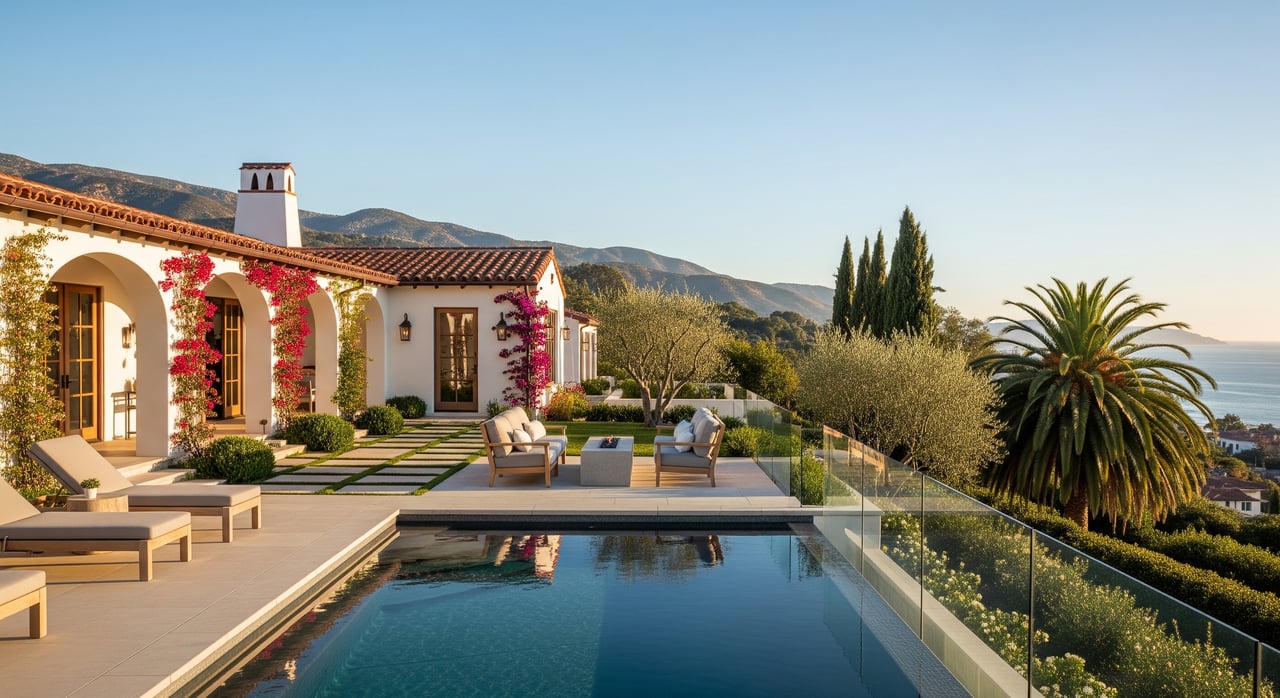
Is Montecito calling your name with its quiet streets, golden beaches, and mountain views? If you are weighing a move or a second home here, you likely want more than pretty photos. You want to know how daily life actually works, from groceries and commuting to insurance and permitting. This guide walks you through the essentials so you can decide if Montecito fits your lifestyle and goals. Let’s dive in.
Montecito at a glance
Montecito is an unincorporated coastal community just east of Santa Barbara. It spans a narrow coastal plain and the foothills of the Santa Ynez Mountains, which gives you ocean breezes and hillside vistas in the same day. According to broad U.S. Census Bureau estimates, the area is small and low density, with a population in the single‑digit thousands and higher income levels compared with statewide averages.
The tone here is calm and private. You will see estate walls, mature landscaping, and a service‑oriented lifestyle. Many residents split time between homes, which shapes neighborhood rhythms. Weekdays can feel especially quiet outside of peak seasons.
Neighborhoods and homes
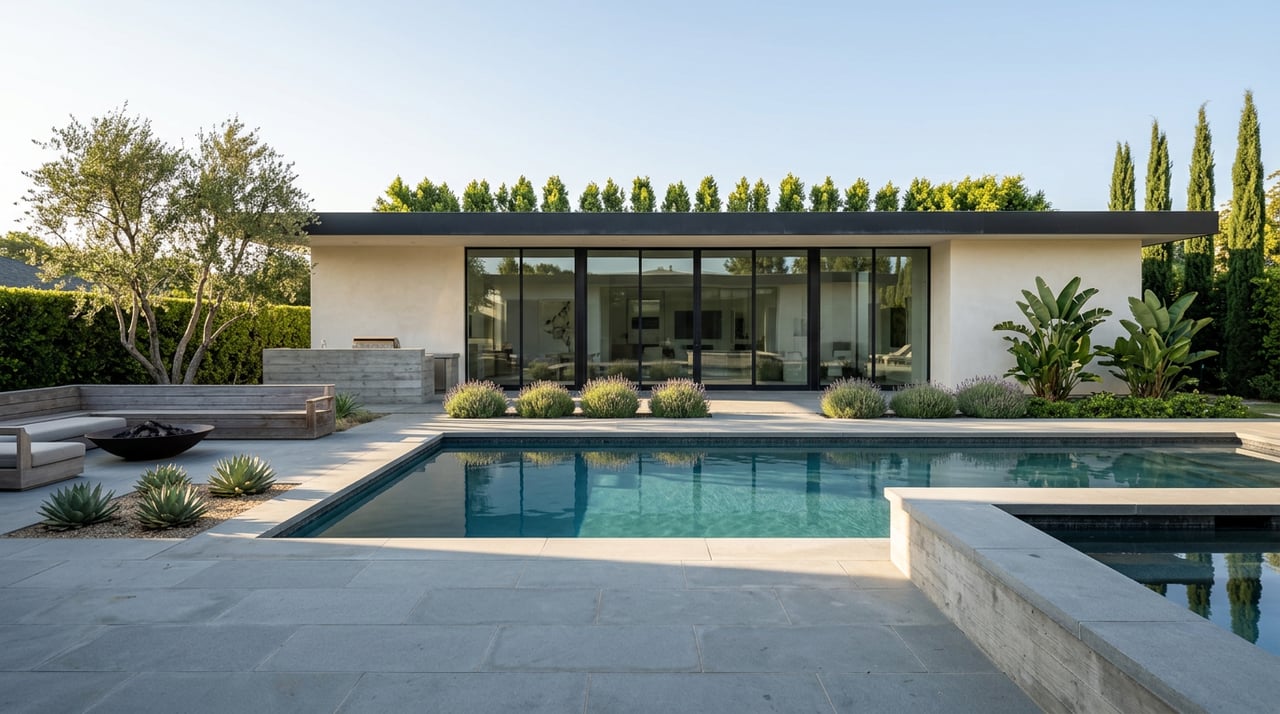
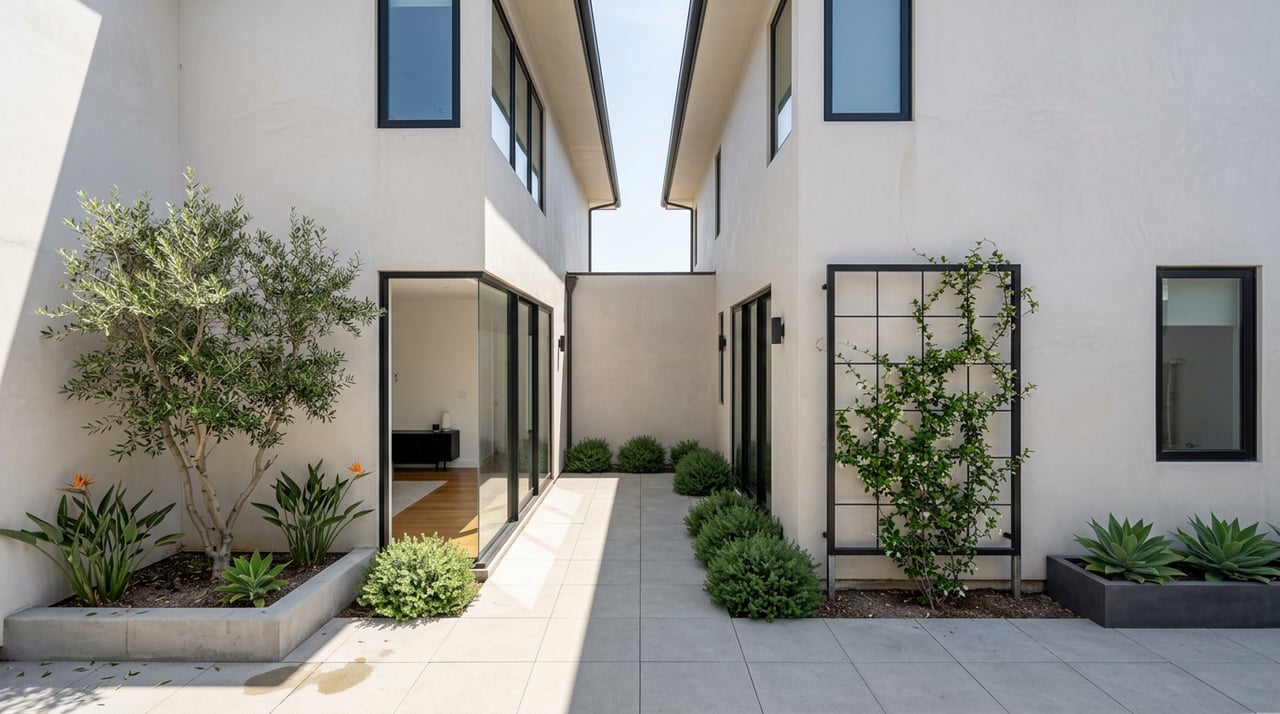
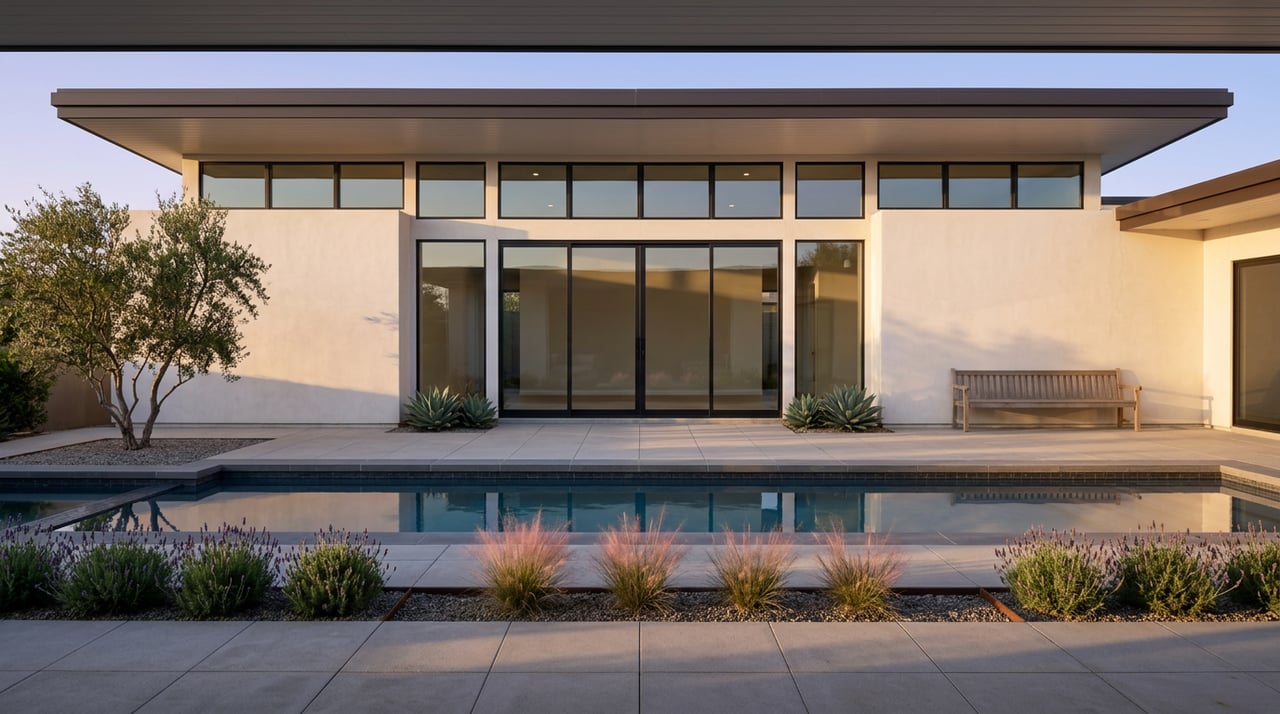
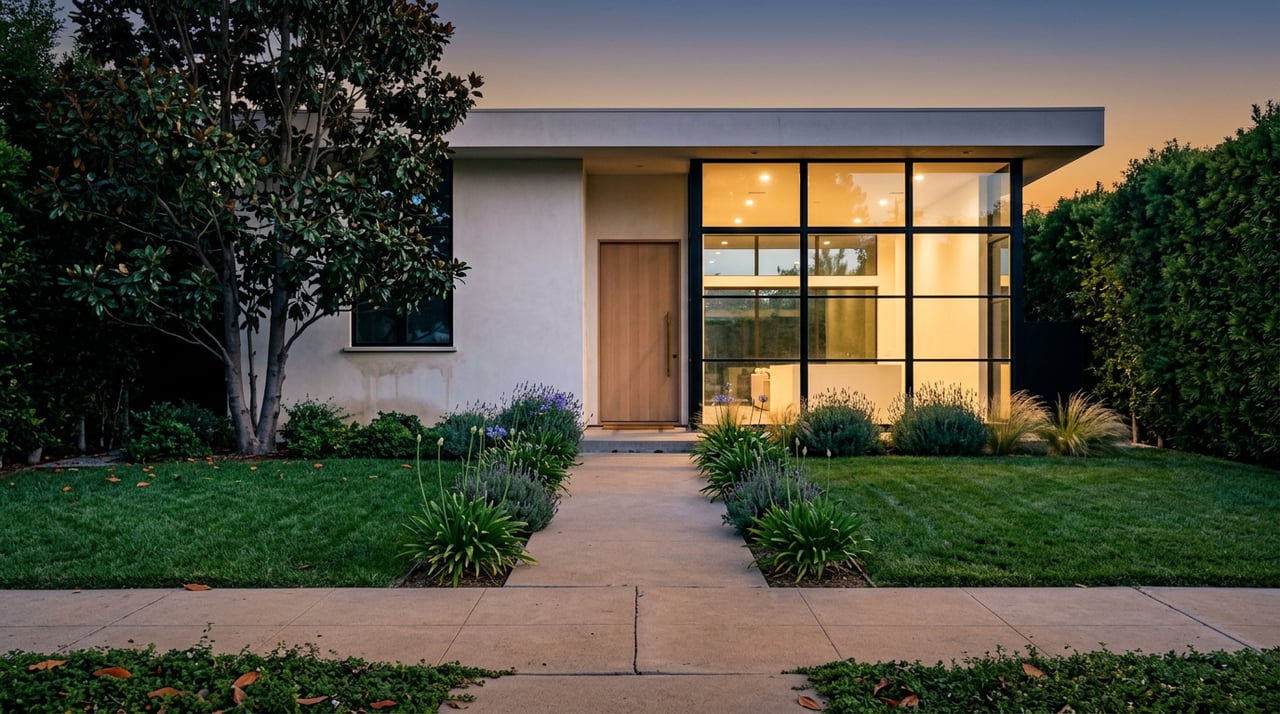
Housing ranges from historic cottages near the village to multi‑acre estates in canyons and on foothill slopes. You will find Mediterranean and Spanish Colonial Revival architecture, modern coastal contemporary builds, and ranch properties. Many homes feature long driveways, guesthouses, stonework, pools, and established gardens.
Lot sizes vary widely. Village parcels can be modest and more walkable to shops and cafés, while upper‑foothill properties trade convenience for space and views. Privacy is a key theme across most neighborhoods.
What homes cost and how they sell
Montecito is one of the most expensive markets on the California coast. Most single‑family sales are in the multi‑million‑dollar range, with top estates selling well above $10 million. Inventory is thin relative to demand, and turnover is low.
Transactions often require a bespoke approach. Expect privacy requests, specialized inspections, and tailored escrow coordination. Some properties trade off‑market. If you value discretion and careful deal management, you will feel at home in this market.
Permits, zoning, and renovations
Because Montecito is unincorporated, planning and permits run through Santa Barbara County Planning & Development. Hillside or canyon properties may face slope, drainage, and environmental review. Coastal zone rules can shape what you can add or modify. Older homes may use septic systems, which can affect expansions or require sewer upgrades.
If you plan to remodel, build in time for permitting and reports. Geologic, soils, and drainage studies are common on steep lots, and review timelines can be longer than you might expect.
Insurance and ongoing costs
Property tax generally follows California’s rules with a Prop 13 base and supplemental assessments after a sale. Effective rates typically land near 1 percent plus local assessments.
Insurance deserves early attention. This area carries wildfire, debris‑flow, and flood exposures. Premiums can be higher, and some carriers limit coverage. Review options with the California Department of Insurance and consult the Montecito Fire Protection District for defensible space guidance and preparedness resources. Many owners also carry flood or debris‑flow policies and higher‑value home coverage.
Daily life and amenities
Village centers and shopping
Two compact commercial nodes anchor daily errands. Coast Village Road offers boutiques, cafés, bakeries, salons, and a handful of restaurants. You will also find services in nearby upper and lower village clusters. For full supermarkets, big‑box stores, and many medical services, most residents drive 10 to 20 minutes into Santa Barbara.
Dining and hospitality
Dining leans high quality, from casual beachfront spots to fine dining rooms popular with locals and resort guests. Upscale inns and resorts add seasonal energy to the scene. Expect polished service and prices that reflect the location.
Healthcare and services
Primary and urgent care clinics, specialist offices, and the region’s major hospital network are in Santa Barbara, a short drive away. Montecito supports a robust ecosystem of professional services. Estate management, landscaping, pool care, housekeeping, and security are common for both primary and second‑home owners.
Schools and education
Local districts serve elementary and middle grades within Montecito. For high school, many students attend Santa Barbara Unified schools. The broader Santa Barbara area also offers multiple private school options. Visit the Santa Barbara County Office of Education for district overviews and boundaries.
Getting around
Montecito is car‑focused. U.S. 101 is the main artery, and the commute to downtown Santa Barbara typically runs 10 to 20 minutes. The Santa Barbara MTD bus routes serve parts of the area, and the Amtrak Pacific Surfliner stops in Santa Barbara rather than Montecito. Many residents also use rideshare or private drivers for airport transfers and evenings out.
Outdoors and climate
Year‑round weather
Montecito enjoys a Mediterranean climate with mild, wet winters and warm, dry summers. A morning marine layer often gives way to sunny afternoons near the coast. Rain arrives mostly from November to March. For big‑picture averages, review NOAA climate normals.
Beaches and trails
You are close to Butterfly Beach, Miramar Beach, and other public access points. Parking can be tight on weekends and holidays, but weekday mornings are serene. Trail networks in Cold Spring and Romero canyons lead to ocean lookouts and Montecito Peak, while the Santa Barbara Harbor area is the go‑to launch point for boating.
Nearby, the renowned Lotusland botanic garden offers timed tours of a historic estate with world‑class plant collections. It is a favorite for nature lovers and guests.
Wildlife and landscape care
Deer, bobcats, coyotes, and abundant birds share the landscape. Many properties feature native and Mediterranean plantings, which look beautiful but require maintenance and thoughtful irrigation. The Montecito Water District provides updates on conservation and seasonal restrictions that guide watering schedules.
Seasonal rhythms
Summer and holidays bring more visitors and busier restaurants. Winter storms can trigger localized flooding in low areas and stress drainage systems on hillside lots. Fire season typically runs late summer into fall. Residents follow Montecito Fire Protection District guidelines for defensible space and stay ready with evacuation plans.
Hazards and preparedness
The 2017 Thomas Fire and the January 2018 debris flows are central to community planning and memory. In the years since, hazard mapping, debris basins, and preparedness initiatives have expanded. The Santa Barbara County Office of Emergency Management maintains current hazard information, evacuation tools, and mitigation updates.
For buyers, this means robust disclosures and due diligence. Expect to review geologic and hazard reports and confirm any special insurance requirements tied to location. Some properties in canyon mouths or along debris paths carry elevated risk.
Short‑term rentals and neighborhood rules
Short‑term rentals are regulated at the county level and may face neighborhood or HOA restrictions. Permit systems and taxes apply where allowed, and policies continue to evolve. Before planning any rental activity, verify current county rules and any local covenants that apply to your property.
Quick buyer checklist
- Confirm hazard maps and parcel‑specific reports, including debris‑flow, flood, and wildfire exposure. Consult county resources and require thorough seller disclosures.
- Obtain multiple insurance quotes for home and, if needed, flood and debris‑flow coverage. Verify any vacancy clauses for second homes.
- Budget for property taxes after reassessment on sale, plus recurring estate upkeep like landscaping, pool, irrigation, security, and septic or sewer fees.
- Verify school boundaries, utility providers, and septic versus sewer status during due diligence.
- Map your daily routes for groceries, schools, healthcare, and recreation to ensure the location matches your routine.
Is Montecito a fit for you?
If you value privacy, refined yet low‑key living, and ready access to beaches, trails, and Santa Barbara’s services, Montecito offers a compelling balance. The market is competitive, and ownership comes with specialized considerations around insurance, permitting, and maintenance. With the right guidance, you can navigate these details confidently and secure a property that aligns with your lifestyle.
If you are exploring Montecito as a year‑round residence or a second home, let’s talk about your goals, timing, and the neighborhoods that best match how you live. Connect with Amanda Watkins to get a tailored plan and a seamless, concierge‑level experience.
FAQs
Is Montecito walkable for daily errands?
- Small village areas like Coast Village Road are walkable for cafés and boutiques, but most residents use cars for groceries, appointments, and regional trips.
Are Montecito beaches public and accessible?
- Yes, beaches are public, but access points and parking can be limited; some beachfront homes have private stairs that do not provide public access.
How safe is Montecito from wildfires and debris flows today?
- Mitigation has improved since 2018, but wildfire and debris‑flow risks remain; review current maps and guidance from the Santa Barbara County Office of Emergency Management and Montecito Fire Protection District.
Can I use a Montecito home as a short‑term rental?
- Possibly, depending on county regulations and any neighborhood or HOA rules; verify permits, taxes, and enforcement policies before marketing a rental.
Is Montecito isolated from Santa Barbara services?
- No; Montecito sits next to Santa Barbara with a 10 to 20 minute drive to hospitals, shopping, dining, and cultural venues, plus transit via Santa Barbara MTD.