If you are thinking about buying a historic home in Los Feliz, you are probably drawn to more than square footage. You may be looking for original character, architectural pedigree, and a neighborhood setting that feels hard to replicate in newer construction. The tradeoff is that charm often comes with extra research, added review, and a different kind of ownership responsibility. This guide will help you understand what to look for, what to verify, and how to plan with confidence before you buy. Let’s dive in.
Why Los Feliz draws historic-home buyers
Los Feliz stands out for its concentration of notable architecture and preserved historic fabric. The neighborhood includes well-known properties tied to Frank Lloyd Wright, including Hollyhock House, the first UNESCO World Heritage site in Los Angeles, and the hilltop Ennis House. HistoricPlacesLA also identifies resources in the neighborhood such as the Samuel-Novarro House.
For buyers, that matters because Los Feliz is not just a place with a few older homes scattered around. It is an area where individual properties, streetscapes, and district patterns all contribute to long-term appeal. That can make ownership especially rewarding, but it also means you should understand how preservation review may affect future plans.
What historic character looks like
In Los Feliz, historic value often goes beyond a single facade. In the Hollywood Grove HPOZ area, the city describes a turn-of-the-20th-century neighborhood with Craftsman and American Colonial Revival bungalows, along with a notable number of Period Revival houses, wide front yards, and lush landscaping.
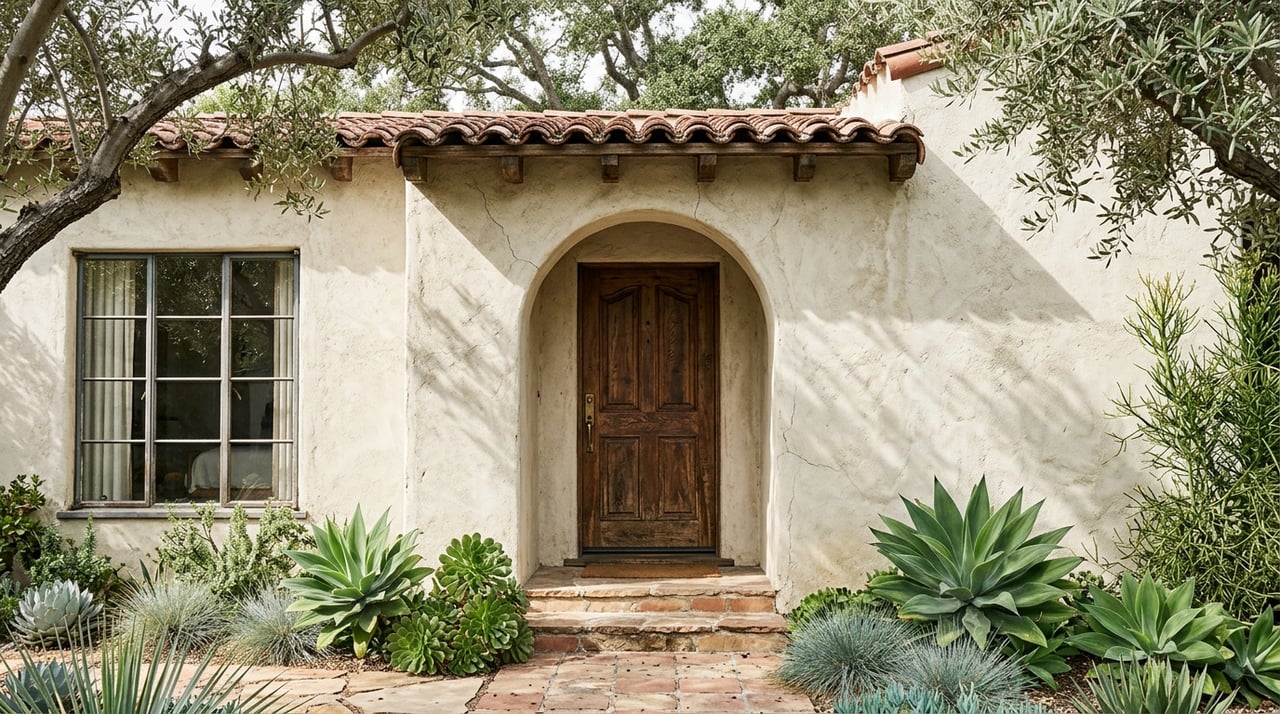
HistoricPlacesLA also identifies the Los Feliz Square Single-Family Residential Historic District as eligible. That district includes about 108 one- and two-story residences, is predominantly Spanish Colonial Revival, and retains original planning features such as street patterns, setbacks, landscape elements, garages, and driveways.
That means when you evaluate a home, it helps to look at the full setting. The spacing between houses, the front yard layout, and the relationship of the home to the street may all be part of the historic character the city considers important.
Check historic status before you fall in love
One of the biggest mistakes buyers make is assuming an older home is automatically historic in a formal sense. Age alone does not create protection or review requirements. Before you move too far into planning, verify the property through the city’s systems.
HistoricPlacesLA is the city inventory for designated and surveyed resources. It can identify Historic-Cultural Monuments, properties in Historic Preservation Overlay Zones, National Register and California Register properties, and sites that may be potentially eligible for future designation.
The city also directs buyers to ZIMAS to confirm whether a parcel has a preservation flag or sits inside a local historic district. This step can shape everything from your renovation budget to your timeline after closing.
Understand HPOZ review early
If a home is in an HPOZ, exterior work is subject to an added layer of city review. Los Angeles states that exterior work in an HPOZ can include landscaping, alterations, additions, and new construction. The review path may vary based on the project and whether the property is considered contributing or non-contributing.
This is important if you are already imagining paint changes, a front yard redesign, or a larger remodel. In some cases, work completed without HPOZ review may lead to code enforcement action and fines. Knowing the rules before you buy can help you avoid expensive surprises.
Preservation plans are intended to guide architectural massing, style, and materials, and HPOZ boards review projects for consistency with those plans. Depending on the scope, review may happen at staff level, with board consultation, or both.
What you may be able to change
Historic status does not always mean a home is frozen in time. In Los Angeles HPOZs, exterior changes are often possible, but they are reviewed. The details matter.
For ordinary maintenance and repair of an exterior feature, a certificate is not required if the work does not change the design, material, color, or outward appearance. That can be helpful if your goal is to maintain the home and preserve its existing look rather than make visible design changes.
If you are planning more substantial updates, you should expect a more involved process. For many buyers, the right question is not whether change is allowed, but how early to plan for approvals, design coordination, and specialist input.
National Register status and local rules
Buyers sometimes worry that National Register status gives broad federal control over a private home. According to the National Park Service, that is not how it works for private owners in most cases. Federal restrictions generally apply only when federal money, licensing, or permitting is involved.
That said, local and state rules may still apply. In Los Feliz, local preservation status and review procedures are often the more practical issue to focus on during your due diligence.
Budget beyond the purchase price
Buying a historic home often requires a different budgeting mindset. Along with the purchase itself, you may need to plan for specialized trades, maintenance cycles, and a review timeline if you want to make exterior changes.
Historic rehabilitation can also overlap with current code issues such as fire and life safety, accessibility, seismic upgrades, and energy performance. Preservation guidance emphasizes improving safety and performance while trying to retain significant materials and features where possible.
In Southern California, seismic work deserves close attention. Guidance on seismic rehabilitation for historic buildings stresses careful planning among architects, engineers, contractors, code officials, and agency staff so vulnerabilities can be reduced while historic materials and features are retained as much as possible.
Look into the Mills Act
Los Angeles offers the Mills Act as its primary financial incentive for historic preservation. The program uses a rolling 10-year contract, and that contract transfers to a new owner when the property is sold.
The city currently sets new application assessed-value thresholds at $1.5 million for single-family residences and $3 million for multifamily, commercial, or industrial properties. If you are buying a qualifying property, this is one of the first incentive programs worth discussing during your evaluation period.
Because the program is tied to preservation commitments, it is best understood as part of your ownership strategy, not just a line-item savings opportunity. A careful review can help you weigh the benefits alongside the responsibilities.
Use a Historic Structure Report for bigger plans
If you are considering a larger restoration or rehabilitation project, a Historic Structure Report can be useful. This type of report documents the building’s history, style, construction, character-defining features, and condition before work begins.
For a buyer, that can support smarter planning. It creates a stronger foundation for design decisions and can help your team identify what should be preserved, what may need repair, and where future work could become more complex.
Do thorough due diligence
Before closing on a historic home in Los Feliz, it is wise to research more than the listing photos and disclosures. LADBS points buyers to several records that can help you better understand a property’s history and current status.
Focus on these items during your due diligence:
- Permit and Inspection Report
- Residential Property Report
- Certificate-of-occupancy records
- Code-enforcement history
- ZIMAS research for zoning and preservation flags
- HistoricPlacesLA research for historic status or survey information
These records can help you confirm whether past work appears properly documented and whether future plans may face extra review. This step becomes especially important before removing walls, changing exteriors, or budgeting for additions.
Plan for long-term stewardship
A historic home in Los Feliz can be deeply rewarding to own, but it usually asks more of you over time. Regular inspection, monitoring, and seasonal maintenance are part of protecting historic exterior features.
That long-term view should shape your decision from the start. The same details that make a home stand out, whether original materials, landscape patterns, or period design elements, may also influence contractor choice, maintenance costs, and project timing.
If you are buying in Los Feliz, the smartest approach is to pair your design vision with careful property research. When you understand a home’s status, condition, and review path early, you can move forward with much more clarity.
A well-bought historic home is not just a beautiful purchase. It is a lifestyle investment that benefits from thoughtful guidance, careful planning, and a clear understanding of what ownership really involves. If you want experienced, concierge-level support as you evaluate Los Feliz homes and navigate the details with confidence, connect with Amanda Watkins.
FAQs
What makes a home in Los Feliz historic?
- A home in Los Feliz may be considered historic if it is designated, surveyed, located in an HPOZ, listed in HistoricPlacesLA, or identified as eligible for future designation. Age alone is not enough.
How can you check if a Los Feliz home has historic status?
- You can verify historic status and preservation flags by reviewing HistoricPlacesLA and checking the parcel in ZIMAS.
Can you renovate a historic home in Los Feliz?
- Yes, but exterior work on properties in an HPOZ is subject to additional review, and the process can vary based on the project and the property’s status.
Does National Register status restrict a private Los Feliz homeowner?
- National Register listing alone does not generally give the federal government control over what a private owner does unless federal money, licensing, or permitting is involved.
What records should you review before buying a historic home in Los Feliz?
- You should review permit history, code-enforcement history, certificate-of-occupancy records, the Permit and Inspection Report, the Residential Property Report, ZIMAS, and HistoricPlacesLA.
Is there a tax incentive for buying a historic home in Los Angeles?
- Los Angeles offers the Mills Act, a rolling 10-year contract that transfers to a new owner upon sale, subject to city program requirements and assessed-value thresholds.