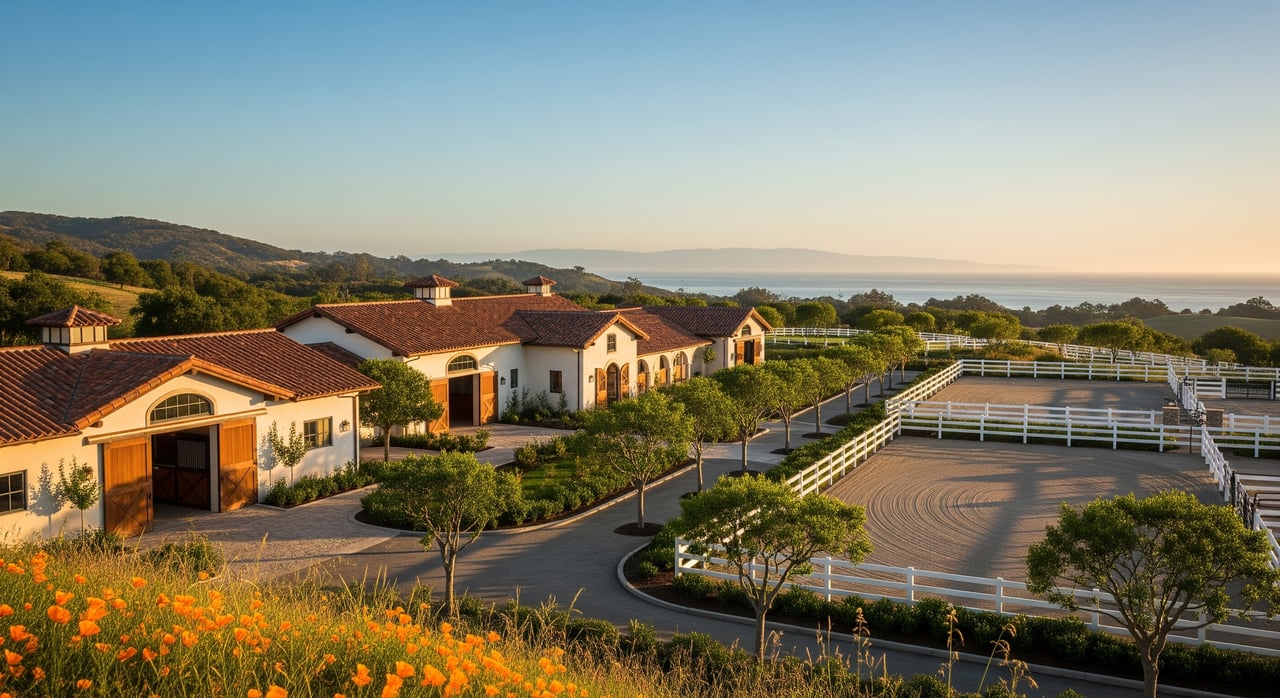
Dreaming of riding from your backyard to ocean-view bridle paths? If you are exploring Hope Ranch in Santa Barbara, you are likely picturing a quiet, coastal setting where horses are part of daily life. That vision is possible here, but the details matter. In this guide, you will learn how trails, boarding, rules, safety, and property features shape the equestrian lifestyle, along with practical checklists you can use when touring homes. Let’s dive in.
Hope Ranch at a glance
Hope Ranch is a low‑density, residential community near Santa Barbara known for an equestrian‑friendly lifestyle, private bridle paths, large lots, and resident-only coastal amenities. Neighborhood character emphasizes outdoor recreation and privacy. Properties are typically subject to governing bodies such as the Hope Ranch Association or local homeowners associations that manage facilities and set rules. When you find a home you love, confirm which association governs that parcel and how the rules apply to you.
Key takeaway: Verify governance and rules early, since they affect trail access, horse counts, facility use, dues, and maintenance responsibilities.
Bridle trails: access and expectations
Hope Ranch features a network of private bridle trails that wind through the community and connect to certain coastal stretches. These are not public rights-of-way, and access is usually limited to residents and their guests under association rules. Registration or proof of residency may be required. Do not assume access until you have reviewed current association policies that apply to your property.
Maintenance and seasonal conditions
Associations typically handle trail upkeep through dues or assessments. Maintenance can include surface repairs, erosion control, vegetation trimming, and drainage work. Coastal and hillside segments can see mud and erosion during winter storms, and wildfire activity can trigger temporary closures or vegetation management. Expect trail conditions to change quickly after heavy rain or a fire event.
Typical trail rules to confirm
Before you ride, confirm:
- Rider eligibility, registration process, and any equine permit requirements
- Hours of use and whether helmets are required
- Dog leash rules and group size limits
- Speed limits and etiquette for passing, mounting, and dismounting in common areas
- Requirements for cleaning or removing manure in trails and parking areas
- Whether horse owner liability insurance or waivers are required for trail use
Boarding and service options
You will find a mix of on‑property facilities and off‑site boarding solutions in and around Hope Ranch. Many larger homes include private barns, paddocks, arenas, and turnouts. Always confirm that keeping horses on site is permitted under your specific CC&Rs and county zoning.
Off‑site options typically include full board with daily care, partial or field board for turnout, and self‑care where you handle daily tasks. In coastal Santa Barbara, commercial boarding tends to come at a premium compared to inland areas due to demand and land costs. If you prefer year-round turnout, the coastal climate can support it, but you should verify fencing, shelter, shade, and mud control on any property you consider.
Build your equine support network
A smooth routine depends on reliable local professionals. As you evaluate properties, identify:
- Equine veterinarians and ambulatory services for routine and emergency care
- Farriers, saddle fitters, and other hoof or tack specialists
- Feed and hay suppliers, plus delivery options
- Trainers, riding instructors, and haul‑in arenas or facilities
- Horse transport companies for shows or evacuation
- Manure hauling and composting providers
Costs vary widely by service level and location. Get local quotes rather than relying on national averages. Factor in recurring items like hay and feed, farrier visits, vet care, labor if not self‑care, insurance, and higher maintenance for arenas, fencing, and manure handling.
How to evaluate an equestrian property
When a listing mentions horse facilities, take a systematic look. Walk every area with a critical eye and ask for documentation.
Barns and daily care
- Stalls: size, ventilation, flooring, drainage, lighting, and electrical safety
- Wash racks and grooming areas with proper water supply and footing
- Tack and feed rooms that are secure, ventilated, and organized
- Utility capacity for equipment, fans, refrigerators, or washers
Paddocks, turnouts, and arena
- Paddock number and size, shelter, shade, and drainage patterns
- Fencing type and condition, visibility for horses, and maintenance needs
- Arena dimensions, fencing, footing quality, grading, and drainage
- Orientation for sun and wind to keep footing consistent and rideable
Water, storage, and access
- Spigots in paddocks and reliability of water pressure
- Covered, rodent‑resistant hay storage that aligns with fire codes
- Manure storage that is away from watercourses and neighboring homes, with a defined removal or composting plan
- Trailer access and parking, including gate width, curb cuts, and turnaround radius for daily use and emergencies
Permits, zoning, and rules
Before you commit, verify the legal framework. The details can influence your ability to keep horses, board for others, or add structures.
- Zoning and land use with Santa Barbara County, including allowed horse counts and any restrictions on commercial boarding or accessory structures
- Building permits and code compliance for barns, arenas, and outbuildings, plus certificates of occupancy if applicable
- Agricultural exemptions if relevant, and any tax or regulatory implications
- CC&Rs and HOA rules for animal limits, barn setbacks, trash and manure removal, and noise or odor standards
- Easements and trail rights for access to bridle paths and for vehicle or trailer ingress
- Environmental considerations near creeks or wetlands, especially around manure management and construction limits
- Fire regulations for defensible space and storage of flammable materials such as hay
Ask the seller for copies of permits and inspections, review county records, and request written statements from the association on current rules and any pending assessments.
Wildfire, safety, and evacuation
Wildfire planning is essential in coastal California. Evaluate each property for resilience and response.
- Defensible space: confirm brush management around homes, barns, and hay storage
- Water for firefighting: onsite tanks or hydrant access, plus clear access for fire engines
- Evacuation logistics: wide gates and driveways, trailer access at the street, and alternate exit routes
- Pre‑identified host barns outside likely evacuation zones and a transport plan
- Insurance: homeowners coverage and equine liability or mortality, with attention to how wildfire risk affects rates and renewals
On‑site buyer checklist
Use this quick list during showings and due diligence:
- Confirm recorded bridle trail easements and whether trails are open to the property
- Verify permitted horse counts in county zoning and CC&Rs
- Collect permits for barns and arenas, and any certificates of occupancy
- Inspect fencing for height, visibility, and repair needs
- Review barn electrical, lighting, and ventilation, and request recent electrician reports if work was done
- Check septic capacity and location if barn bathrooms or frequent guests are expected
- Locate water sources, irrigation systems, or wells if present
- Test trailer turning radius and gate width, ideally with a trailer
- Review manure handling and removal or composting evidence
- Assess wildfire defenses: cleared vegetation, ember‑resistant materials, and water sources for firefighting
Smart questions to ask
When speaking with the seller, HOA, or listing agent, consider these:
- Are there written CC&Rs or HOA rules that limit horse numbers or prohibit commercial boarding?
- Who maintains the bridle trails, and are they private or public? Are there recorded easements?
- When were the barn and arena constructed, and are building permits on file?
- Have there been recent assessments for trail maintenance, emergency repairs, or vegetation management?
- Are there known drainage, erosion, or flooding issues near paddocks or the arena?
- Are there restrictions on hay storage, composting, or manure removal?
- Are there pending lawsuits, special assessments, or plans that could affect trail or property access?
Key local resources
As you verify details, reach out to:
- Hope Ranch Association for association rules, trail policies, and assessments
- Santa Barbara County Planning and Development for zoning and building permit records
- Santa Barbara County Fire Department for defensible space guidelines and barn safety
- UC Cooperative Extension or the County Agricultural Commissioner for manure management and pasture care best practices
- California Horse Council and national equine organizations for liability, boarding standards, and welfare guidance
- Local veterinarians, farriers, trainers, and haulers for availability and typical service ranges
The bottom line
Hope Ranch offers a rare blend of coastal living and equestrian access, but every property is unique. Your experience will depend on the parcel’s governing rules, the quality of onsite facilities, and your plan for boarding, services, and safety. With clear due diligence and the right local contacts, you can ride confidently into a lifestyle that fits your goals.
If you are exploring equestrian homes in Santa Barbara or coordinating a move from Los Angeles, connect for tailored guidance, document review support, and introductions to trusted local pros. Reach out to Amanda Watkins to start a curated, concierge process that aligns with your timeline and riding needs.
FAQs
What makes Hope Ranch equestrian living unique in Santa Barbara?
- A private network of bridle trails, large residential lots, and association-managed outdoor amenities create an equestrian-oriented lifestyle with a coastal setting.
Are Hope Ranch bridle trails public or resident-only?
- Trails are typically private and governed by association rules for residents and guests, so you should verify eligibility, registration, and access for your specific parcel.
What boarding options exist near Hope Ranch for new owners?
- Expect a mix of on‑property barns and off‑site commercial boarding that ranges from full board to self‑care, with coastal pricing often higher than inland areas.
What permits and documents should I verify before buying in Hope Ranch?
- Confirm zoning and horse counts, CC&Rs and HOA rules, building permits for barns and arenas, easements, and compliance with fire and environmental regulations.
How should I plan for wildfire safety with horses in Hope Ranch?
- Establish defensible space around barns, confirm water availability, plan trailer access and evacuation routes, and review insurance for homeowners and equine coverage.