Buying in Santa Monica moves fast, and escrow can feel like a black box when the surf is calling and deadlines are tight. You want a clear path from offer to keys without surprises. This guide breaks down how escrow works in California with a Santa Monica lens, including your timeline, deposits, contingencies, and closing logistics, plus local norms you should expect. Let’s dive in.
What escrow means in California
Escrow is a neutral, licensed third party that holds funds and documents while both sides complete their contract steps. The escrow officer follows written instructions, coordinates title and lender items, prepares prorations, and manages recording so the transfer is clean.
In California, escrow companies are licensed and regulated. You can verify an escrow company’s license through the state’s regulator. See the California Department of Financial Protection and Innovation’s escrow guidance for consumer info and licensing.
Most Santa Monica transactions use California Association of REALTORS forms. These set the escrow structure, contingencies, and deadlines. Learn more about the framework from the CAR standard forms overview.
Your escrow team
- Buyer and seller
- Buyer’s agent and listing agent
- Escrow officer
- Title officer and title company
- Lender and appraiser, if you finance
- Inspectors and specialists
- HOA manager, if applicable
- Los Angeles County Recorder
Each party has defined tasks. Escrow and title keep the file neutral and organized while agents guide strategy and timing.
Santa Monica norms to expect
Santa Monica is a high‑demand coastal market. Multiple offers are common on well‑priced homes and condos. To compete, buyers often shorten contingency periods, increase deposits, or limit repair requests. These choices can strengthen your offer, but they raise risk. Balance speed with protection and align your dates with what you can perform.
Large regional and national title and escrow firms are widely used on the Westside. You can work with any licensed provider your contract names. Verify licensing and reputation before you wire funds or sign instructions.
30‑day escrow timeline
Every escrow follows the contract, but a typical 30‑day example looks like this:
Day 0: Offer accepted
- Open escrow. Escrow instructions go out. You wire the initial earnest money by the deadline in your contract, often within 1–5 business days.
Days 1–3: Early disclosures
- Seller delivers required disclosures. Title company issues the preliminary title report for review.
Days 3–10: Inspection window
- Order a general home inspection right away. Add termite, roof, HVAC, sewer scope, and any needed specialty inspections. Start repair or credit talks once reports arrive.
Days 7–21: Loan and appraisal
- If financing, your lender orders the appraisal. Underwriting works toward final approval.
Contingency removal dates: As negotiated
- Remove inspection, loan, appraisal, and other contingencies by the contract deadlines. Once removed, you are committed to close under the contract terms.
Days 24–30: Final prep
- Lender issues final approval. You sign loan docs, wire closing funds, and escrow prepares the final settlement statement.
Closing day: Record and get keys
- After escrow has all funds and signatures, the deed records with Los Angeles County. Title transfers, and keys pass per the contract.
Deposits and closing funds
Earnest money: This good‑faith deposit shows commitment and is applied to the price at closing. In Southern California, a typical range is 1–3 percent of the price, though Santa Monica offers may go higher in competitive situations. Timing is set in your contract.
Escrow fees: In much of Southern California, buyers and sellers often split escrow fees 50/50. This is negotiable and set in the purchase agreement.
Title insurance: Two policies are common. The owner’s policy protects you. The lender’s policy protects your lender. In many Los Angeles County transactions, the seller pays the owner’s policy and the buyer pays the lender’s policy, but customs vary by deal.
Prorations: Property taxes, HOA dues, utilities, and assessments are prorated to the day of closing. After close, the county may issue a supplemental property tax bill if the assessed value changes.
Transfer taxes and recording fees: Escrow pays required county recording charges and documentary transfer tax. Confirm current recording and transfer tax guidance with the Los Angeles County Registrar‑Recorder/County Clerk.
Impounds: Your lender may set up an impound account for taxes and insurance. Escrow will collect initial deposits if required.
Inspections and contingencies
Order inspections as soon as escrow opens. In Santa Monica and the Westside, inspectors can book up quickly. Common inspections include:
- General home inspection
- Termite and wood‑destroying organisms
- Roof, HVAC, plumbing, electrical
- Sewer line scope, especially for older homes
- Specialist evaluations such as foundation, mold, asbestos, or lead‑based paint for pre‑1978 homes
After review, you may request repairs or a credit. Sellers can agree, counter, or decline. In competitive Santa Monica deals, buyers often keep requests focused and safety‑driven.
Title, disclosures, and HOAs
The title company will issue a preliminary title report. Review easements, liens, and recorded restrictions with your agent and the title officer. Title issues must be resolved before closing.
California requires seller disclosures like the Transfer Disclosure Statement and Natural Hazard Disclosure. Your review period runs per the contract. If you are buying a condo or planned development, request a full HOA package early. Budgets, reserves, rules, minutes, and any special assessments can affect your costs and use.
Closing day and recording
Before you close, escrow collects signed loan documents, the grant deed, payoff demands, insurance proof, prorations, and wiring instructions. Lenders must provide your Closing Disclosure at least three business days before consummation. See the CFPB’s Closing Disclosure overview.
When escrow has all funds and approvals, the title company releases documents to the Los Angeles County Recorder. Once the deed records, title transfers to you. Possession is handled per the contract, often at recording.
Delays and how to avoid them
Common slowdowns include underwriting holdups, appraisal timing, last‑minute title items, HOA estoppel delays, repair disputes, and wiring issues. You can reduce risk by:
- Ordering inspections and HOA docs early.
- Tracking your contingency removal dates on a shared calendar.
- Delivering lender documents fast and confirming appraisal timing.
- Reviewing title and disclosures as soon as they arrive.
- Confirming all wire instructions by phone using a verified number.
Wire fraud is a real risk in California. The CFPB explains how to protect your transfer in its guide to mortgage closing scams and safe wiring practices.
Coastal and renovation checks
If you plan to remodel, verify permits and any open violations. For coastal‑area properties or major work, additional review may apply. Start with the City of Santa Monica Building & Safety for permits, inspections, and local rules. Projects near the shoreline can also involve the California Coastal Commission depending on scope and location.
Older Santa Monica homes may benefit from a sewer lateral inspection. Ask your inspector and review any city maintenance or stormwater programs that could affect upgrades.
Quick buyer checklist
- Read your signed contract and escrow instructions. Note every deadline.
- Verify your escrow company’s license with the state regulator.
- Wire your earnest money by the contract due date. Confirm instructions by phone.
- Order general and specialty inspections on day one.
- Ask your lender about required impounds and any extra cash needed for appraisal gaps.
- Review the preliminary title report and seller disclosures as soon as they arrive.
- Request HOA documents early for condos and planned communities.
- Confirm Closing Disclosure timing with your lender and schedule your final walk‑through.
- Plan utilities, insurance binders, and movers for possession per contract.
Buying in Santa Monica rewards preparation. With a clear plan, you can move quickly while protecting your interests. If you want a hands‑on, concierge approach from offer to keys, connect with Amanda Watkins for local guidance specific to your goals.
FAQs
What is escrow in California and how long does it take?
- Escrow is a neutral third party that holds funds and documents while both sides meet contract terms; in Santa Monica, a typical escrow runs about 30 days, but timing depends on your contract and lender.
How much earnest money is typical in Santa Monica?
- Many Southern California deals use 1–3 percent, though Santa Monica offers can go higher in competitive situations; the exact amount and due date are set in your purchase agreement.
Who pays closing costs like escrow and title in Los Angeles County?
- Customs vary by deal; buyers and sellers often split escrow fees, sellers commonly pay the owner’s title policy, and buyers pay the lender’s policy and loan charges, all subject to contract.
What if my appraisal comes in below the price?
- You can renegotiate price, increase your cash to cover the gap, dispute the appraisal with new comps, or cancel if protected by your appraisal or loan contingency.
How do I avoid wire fraud during escrow?
- Call your escrow or title company at a verified phone number to confirm wiring details before sending money and never act on emailed changes without phone verification.
When do I get keys to my new Santa Monica home?
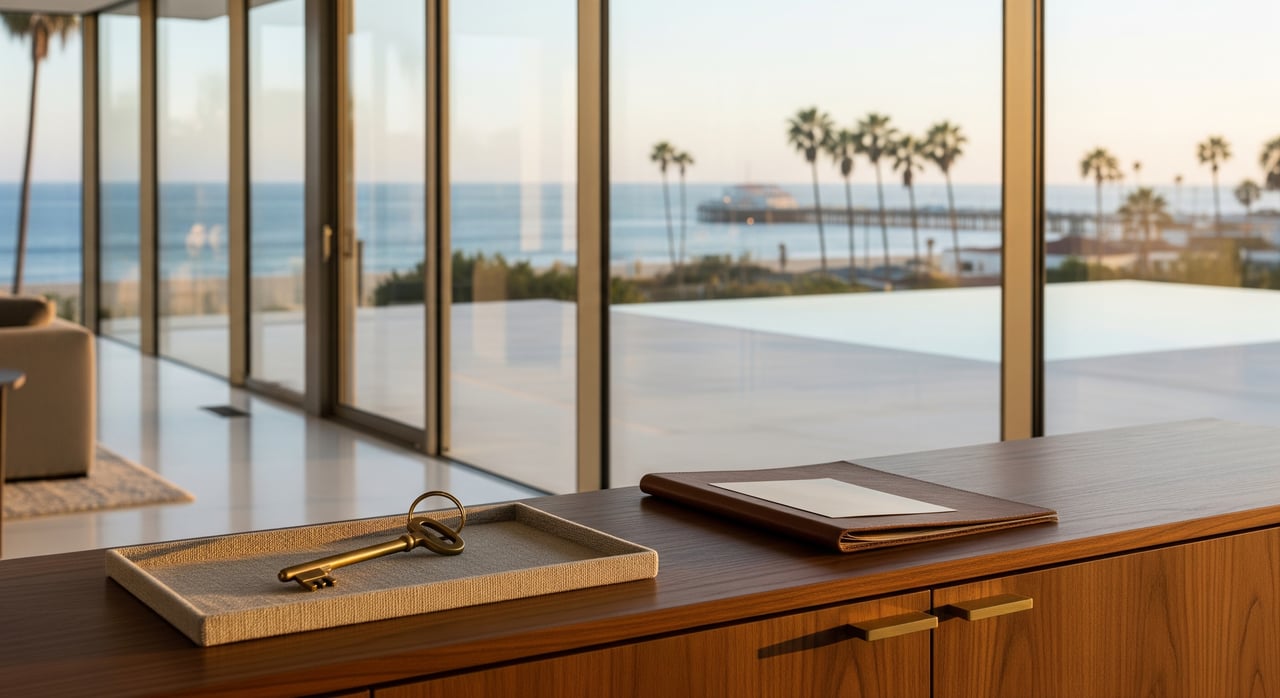
- Keys and possession transfer per the contract, often at or immediately after county recording when title is officially in your name.