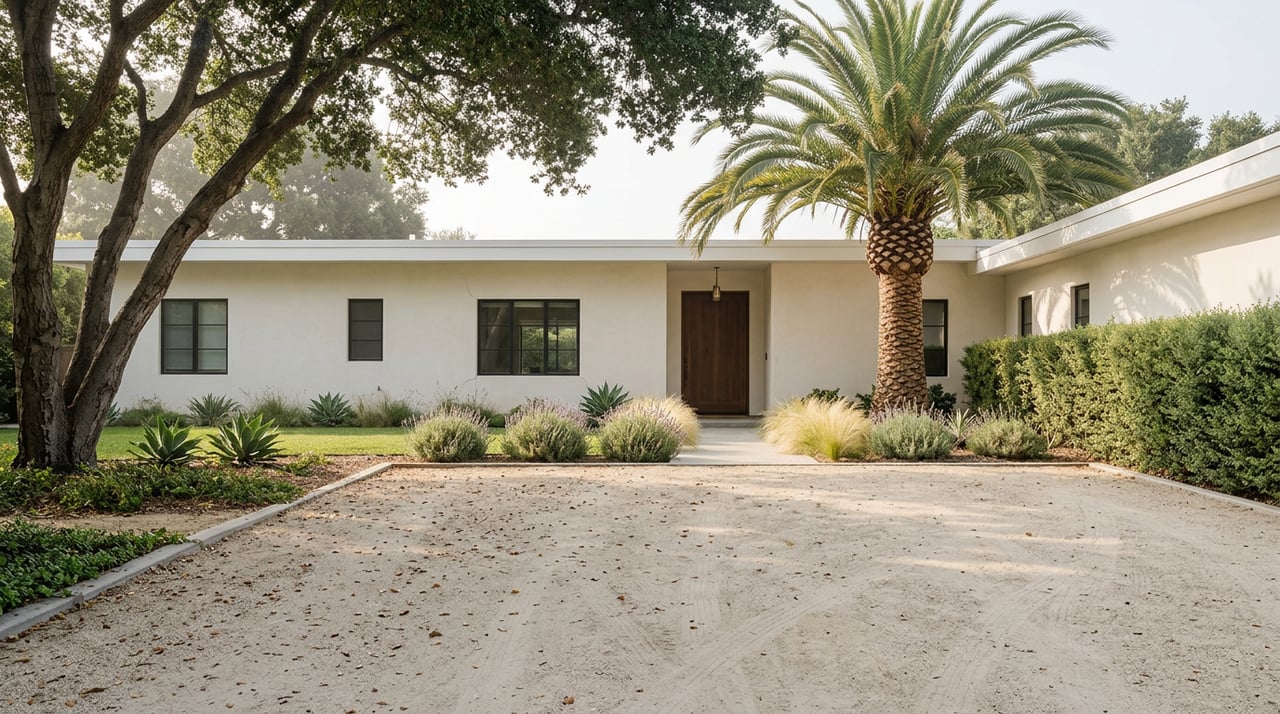
If you are selling in Santa Monica, you are not just putting a home on the market. You are managing pricing, preparation, marketing, disclosures, negotiations, and escrow in a market where details can affect both timing and outcome. In a city where the median sale price was $1,564,500 in March 2026, homes sold in 47 days, and 22.2% of listings saw price drops, a concierge listing experience is about creating a plan, not just posting a property online. Let’s walk through what that process really looks like.
Why concierge service matters
A concierge listing experience starts with the idea that selling your home should feel guided from beginning to end. That expectation is common today. According to the National Association of Realtors 2025 seller survey, 83% of sellers wanted an agent who manages a broad range of services and most aspects of the home.
That high-touch model is especially relevant in Santa Monica. The market remains active, but it is still price-sensitive. Redfin’s Santa Monica housing market data shows a 98.1% sale-to-list ratio and labels the market as somewhat competitive, which means thoughtful pricing and careful preparation still matter.
Step one: Build the strategy
A strong listing launch begins long before your home goes live. The first step is understanding your property, your goals, and the current market conditions in Santa Monica. That means looking at likely pricing position, timing, property condition, and what work may help the home present more clearly to buyers.
This early stage is also where a concierge approach can reduce stress. Instead of leaving you to coordinate every moving part, the process is organized around a clear sequence: pricing, repairs, presentation, photography, launch, offer review, disclosures, and escrow management.
Pricing for Santa Monica buyers
In a high-price market, it can be tempting to test the upper edge of pricing. But Santa Monica’s current conditions suggest discipline matters. With 22.2% of homes seeing price drops, the market is signaling that buyers are paying attention to value and not simply chasing every listing.
Pricing is not about reaching for attention. It is about positioning your home to generate serious interest, encourage strong showings, and support a smoother negotiation. In a somewhat competitive market, the right price can help you protect momentum from day one.
Step two: Prepare the home
Once the pricing strategy is set, preparation begins. This is often where concierge service becomes most visible because it involves many small but important decisions. You may need touch-ups, repairs, light updates, cleaning, or other pre-listing work to help the property present at its best.
Sellers consistently say they want help with this part of the process. In the same NAR report, sellers specifically wanted help pricing the home competitively, selling within a specific timeframe, finding ways to fix it up for a better result, marketing the home, and negotiating with buyers.
A well-managed prep phase creates two advantages. First, it improves how the home shows in person. Second, it supports stronger online marketing, which is where many buyers begin.
Step three: Stage for the online-first buyer
Today, your first showing often happens on a screen. The NAR 2025 generational trends report found that 43% of buyers took their first step by looking online for properties. Among internet users, 83% said photos were a very useful website feature, and 41% said virtual tours were very useful.
That is why staging matters. According to the 2025 Profile of Home Staging snapshot, 83% of buyers’ agents said staging made it easier for buyers to visualize a home as a future residence. Yet only 21% of sellers’ agents reported staging every listing, which makes thoughtful staging oversight a real differentiator.
Staging is not about making a home feel generic. It is about helping buyers understand scale, flow, light, and function. In Santa Monica, where architecture, indoor-outdoor living, and presentation often shape first impressions, that visual clarity can make a meaningful difference.
Step four: Create the marketing assets
After the home is ready, the next phase is building the visual and written story. This usually includes professional photography and, depending on the property and strategy, video or virtual tour assets. Since buyers may spend weeks searching and compare multiple homes along the way, your listing needs to stand out quickly and clearly.
This is where a concierge approach is less about one tactic and more about orchestration. The NAR seller survey shows that sellers’ marketing commonly spans the MLS website, yard signs, open houses, agent websites, social networking sites, virtual tours, and video. A strong launch coordinates those elements so your listing feels consistent wherever buyers find it.
Step five: Time the rollout
A polished listing can lose power if the rollout is rushed. Timing matters because buyers tend to respond best when a home hits the market fully prepared, with strong visuals, complete information, and a clear pricing strategy. If those pieces are not in place, interest can fade before the property has its best chance to perform.
A concierge listing experience treats launch as a planned release, not a last-minute upload. The goal is to enter the market with clarity and confidence so buyers, agents, and decision-makers all receive the same strong first impression.
Step six: Manage showings and offers
Once your listing is live, attention turns to activity and feedback. Showings, open houses, buyer questions, and offer discussions all need to be managed carefully. This stage is not just about volume. It is about reading the market response and using that information to protect your negotiating position.
The seller’s side of the transaction often involves more than simply reviewing a price. Offer strength can also depend on contingencies, timing, financing terms, and how prepared the buyer appears to be. A concierge experience helps you compare the full picture so your decision is based on substance, not noise.
Step seven: Organize disclosures early
In California, disclosures are a major part of the seller experience, and they are too important to treat as an afterthought. The California Department of Real Estate explains that sellers and any involved brokers or agents participate in disclosures, and the Real Estate Transfer Disclosure Statement should be given to a prospective buyer as soon as practicable and before transfer of title.
That timing matters. The DRE also notes that if disclosures are delivered after an offer is executed, a buyer may have a short statutory right to terminate depending on how delivery occurred. In practical terms, early disclosure preparation can help reduce friction later in the transaction.
Hazard disclosures can also come into play. Under California Civil Code section 1103, sellers may need to disclose whether a property is located in certain mapped or known hazard areas, including special flood hazard areas, earthquake fault zones, seismic hazard zones, very high fire hazard severity zones, and wildland fire areas. Organizing those items early is part of a smoother listing process.
Step eight: Coordinate escrow closely
Once you accept an offer, the work is not over. In many ways, this is where concierge service becomes most valuable. Escrow requires coordination among multiple parties, along with close attention to documents, deadlines, inspections, prorations, and communication.
The California DRE’s escrow consumer information describes escrow as a neutral third party that holds documents and funds under mutual written instructions. Escrow typically opens when the fully executed purchase agreement is delivered, and the seller remains the beneficial owner until close of escrow. That means seller representation during this phase should feel active, organized, and responsive.
Special consideration for tenant-occupied property
If your Santa Monica property is tenant-occupied, the listing process may involve another layer of planning. The Santa Monica Rent Control Board’s 2024 annual report states that tenants have just-cause eviction protections and that buyout discussions require tenants to be informed of their rights, with buyout agreements filed with the city.
For sellers, this means tenant communication, compliance, and notice timing may affect preparation and sale strategy. A concierge listing experience should account for these local requirements early so the process stays organized and compliant.
What sellers should expect
At its best, a concierge listing experience is not about adding unnecessary complexity. It is about reducing it for you. The process should feel proactive, well-communicated, and structured around your goals, whether you are selling a condominium, a single-family residence, or an investment property in Santa Monica.
That matters because sellers are not just hiring for access to the MLS. They are choosing representation. The NAR 2025 seller survey found that reputation, honesty, trustworthiness, and neighborhood knowledge all factor into that choice, and California’s fiduciary framework for real estate brokerage reinforces the agent’s obligations of care, loyalty, confidentiality, lawful obedience, and disclosure of material facts.
If you want a sale that is thoughtfully prepared, professionally marketed, and carefully managed from list date to close, working with a hands-on advisor can make the experience feel far more seamless. If you are planning a move in Santa Monica, connect with Amanda Watkins for tailored guidance and a concierge-level approach built around your goals.
FAQs
What does a concierge listing experience in Santa Monica include?
- A concierge listing experience typically includes strategic pricing, pre-listing repairs or improvements, staging coordination, photography and marketing rollout, offer management, disclosure preparation, and guided escrow support.
Why is pricing so important when selling a Santa Monica home?
- Pricing matters because Santa Monica is a high-price but still price-sensitive market, with Redfin reporting a 22.2% rate of price drops in March 2026.
How important is staging for a Santa Monica listing?
- Staging can be very important because NAR reported that 83% of buyers’ agents said it helps buyers visualize the home as a future residence.
When should California seller disclosures be prepared?
- Seller disclosures should be prepared as early as practicable because delayed delivery can create added transaction risk and may affect a buyer’s right to terminate in some situations.
What happens during escrow in a California home sale?
- During escrow, a neutral third party holds funds and documents under written instructions while the transaction moves through inspections, document review, conditions, and closing steps.
What should Santa Monica sellers know about tenant-occupied property?
- If a property is tenant-occupied, sellers should plan for local compliance issues such as tenant rights, timing, and any required filings tied to buyout discussions.