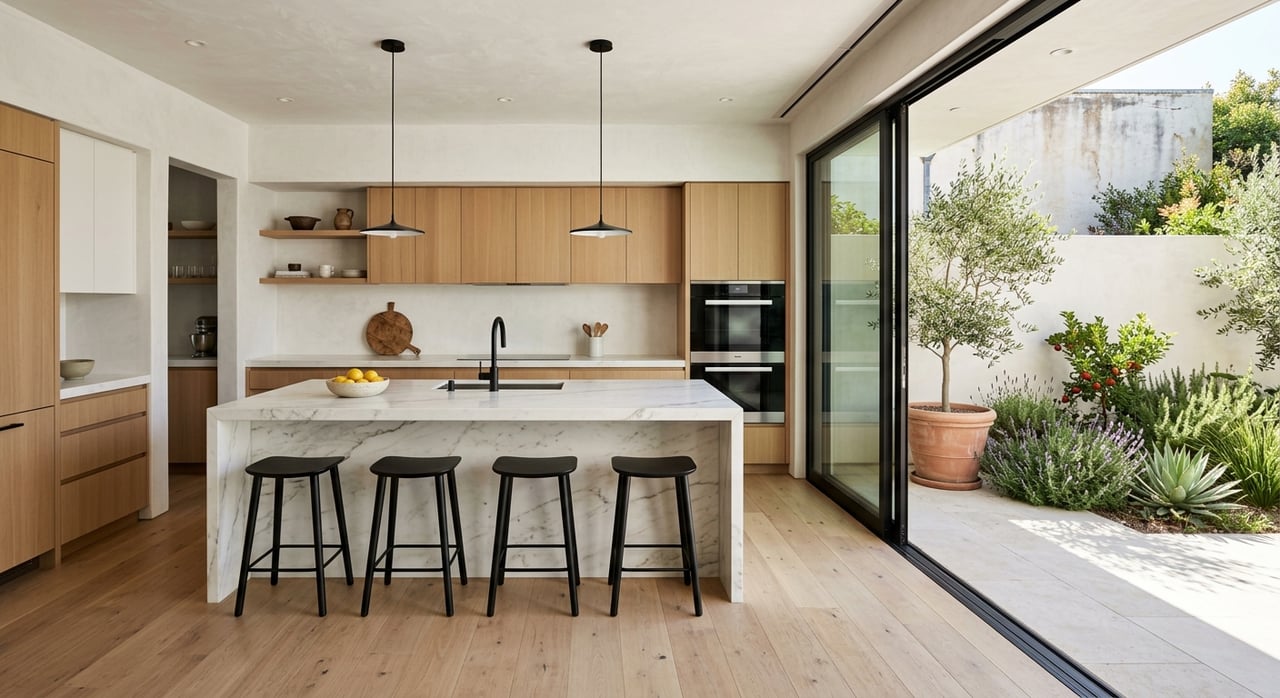
If you are selling a luxury home in Montecito, a beautiful property alone is not enough to guarantee a smooth sale. In a market where buyers are selective and timelines can vary, the details matter just as much as the address. When you understand how to prepare, price, market, and manage the transaction from the start, you put yourself in a far stronger position to protect value and reduce stress. Let’s dive in.
Why Montecito Requires a Careful Plan
Montecito is not a one-size-fits-all market. It is an unincorporated community in Santa Barbara County, which means many listing, permitting, land-use, and closing details run through county systems rather than a separate city government.
That local structure matters when you are selling a luxury property. It affects everything from disclosure prep to final recording paperwork, and it is one reason a well-managed sale tends to feel more coordinated from the beginning.
Recent market data also shows why strategy matters here. In February 2026, Montecito had 16 closed sales, a median sales price of $5,142,500, 57 active listings, and 4.4 months of inventory. By comparison, the broader South Coast houses and PUDs market posted a $2,275,000 median price and 2.0 months of inventory.
That gap tells you something important. Montecito operates at a much higher price point and can be more selective, so pricing discipline and presentation are especially important if you want to attract serious buyers early.
Start With Pre-Listing Preparation
Before your home goes live, it helps to think in two tracks at once. One is physical preparation, which includes condition, presentation, and access. The other is documentation, which includes disclosures, hazard information, and any property details that could raise questions later.
In luxury sales, delays often come from issues that were known but not organized upfront. The smoother path is to gather information early, address obvious concerns, and create a clear plan for how the home will be introduced to the market.
Review Condition and Improvements
Buyers at this price point tend to look closely at condition, quality of upkeep, and whether improvements appear consistent and well documented. If there were additions, renovations, or structural changes, those details should be reviewed early so you are not scrambling once escrow has opened.
California guidance also highlights practical items sellers should not ignore, including smoke-detector compliance, water-heater bracing or strapping, and disclosures related to window security bars or unpermitted additions. These may seem small compared with the scale of a Montecito estate, but they can still become part of the buyer’s diligence.
Organize Disclosures Early
For most single-family residential sales in California, the Transfer Disclosure Statement, or TDS, is required. The TDS is not a warranty, but it does require meaningful disclosure about the property’s condition, including defects, environmental hazards, and unpermitted alterations.
Timing matters. If the TDS is delivered after the contract is signed, the buyer generally gets a short right to rescind, which is 3 days if delivered in person or 5 days if mailed. That is one more reason to complete disclosures early rather than treating them as an afterthought.
Pay Attention to Hazard Disclosures
The Natural Hazard Disclosure Statement, or NHD, is especially important in Montecito. This disclosure can cover special flood hazard areas, potential flooding, high or very high fire hazard severity zones, wildland fire areas, earthquake fault zones, and seismic hazard zones.
These are not abstract boxes on a form. Santa Barbara County notes local exposure to flooding, debris-flow events, wildfires, earthquakes, storms, power outages, and floods, and FEMA is revising flood maps for parts of Montecito. For sellers, that means hazard paperwork can directly shape buyer questions about insurance, future development, and risk.
California allows a third-party disclosure company to prepare the NHD, but that does not remove the seller’s or agent’s responsibility to make sure it is delivered. In a luxury transaction, complete and timely disclosure helps support confidence and keeps the deal moving.
Know if Lead-Based Paint Rules Apply
If your home was built before 1978, there is another step. Sellers must disclose known lead-based paint information, provide the required pamphlet, and give the buyer a 10-day opportunity to inspect unless that period is changed in writing.
For older Montecito properties, this can become an important timing issue. If the home has older finishes, deferred maintenance, or renovation history, it is smart to prepare for those questions before the property hits the market.
Price for the Market You Have
Luxury sellers are sometimes tempted to test the market with an aspirational list price. In Montecito, that can be risky. The market supports high values, but it is still price-sensitive, especially when inventory is meaningfully higher than the broader South Coast market.
A strong pricing strategy should reflect the home’s size, location, amenities, condition, current market conditions, and recent comparable sales. It should also consider active listings and pending or under-contract properties, not just closed sales.
That broader view matters because buyers compare your home against current options, not just past transactions. If your price starts too high, you may lose early momentum and drift into a longer market cycle.
Build a Credible Comp Story
In Montecito, the right comparable set can make or break the launch. Buyers at the luxury level often have access to detailed market information, and they expect the asking price to feel supported.
That does not mean your home has to be priced identically to another property. It means the number should make sense based on what the market is seeing now, how your property presents, and how much competition is active at the same time.
Remember That Offer Quality Varies
The best offer is not always the highest number on paper. Cash strength, financing risk, contingencies, and timing can all matter just as much as price.
That is especially true in a luxury market, where the buyer pool may be smaller and diligence can be more detailed. A cleaner offer with stronger terms can create a more reliable path to closing than a higher offer with more uncertainty attached.
Treat Presentation as Part of Pricing
In Montecito, presentation is not cosmetic fluff. It is part of the value story. The way your home looks online and in person helps buyers decide whether the asking price feels justified.
That is why pre-listing polish often pays off in attention, showing activity, and buyer confidence. In the 2025 staging profile, 83% of buyers’ agents said staging made it easier for buyers to visualize the property as a future home.
The same research found that some agents believed staging increased offers by 1% to 5%, while 30% of sellers’ agents said it slightly reduced time on market. Those numbers are not a guarantee, but they do support the case for thoughtful preparation.
Focus on High-Impact Visuals
Photos, traditional staging, videos, and virtual tours all play an important role in how buyers respond to a listing. Buyers’ agents also identified the living room, primary bedroom, and kitchen as especially important rooms to stage.
For a luxury home, that means your launch should show the property at its best from the first day. Clean sightlines, balanced lighting, polished landscaping, and a calm visual narrative can help buyers connect emotionally before they ever schedule a showing.
Plan Showings With Intention
Showings and open houses should be deliberate, not casual. General marketing guidance notes that the first open house is often most effective when held the weekend after the property goes live, assuming there are no major conflicts.
In Montecito, logistics and privacy can matter more than they do in a typical sale. A thoughtful showing plan helps protect your time, preserve the home’s presentation, and focus attention on qualified buyers.
Market Broadly, But With Precision
A luxury listing needs both reach and control. Broad exposure often comes from MLS distribution, professional photography, staging, social media, signage, and open houses. At the same time, the campaign should feel curated and consistent.
That balance is especially important in Montecito, where buyers may be local, relocating, or shopping for a second home. A polished rollout helps the property reach the right audience while supporting the home’s price position.
This is where high-touch coordination matters. From digital assets to showing management to communication with interested buyers, every piece of the launch should feel aligned with the property and your goals.
Keep Escrow Moving After Acceptance
Once you accept an offer, the work is not over. In many luxury transactions, the next phase is where avoidable friction shows up. Inspection questions, permit issues, repair requests, and document timing can all affect the path to closing.
The seller’s role at this stage is to stay responsive and organized. Keep disclosures current, answer requests promptly, and avoid letting condition or paperwork issues surface late if they could have been addressed earlier.
Expect Inspection and Diligence Requests
Luxury buyers often conduct thorough diligence. That may include close review of disclosures, property condition, improvement history, and hazard information.
If your file is complete and your home was prepared properly before launch, this stage is usually easier to manage. If not, even a strong deal can lose momentum while questions are sorted out.
Prepare for County Closing Paperwork
Closing is also a county process, not just a handshake at the finish line. Santa Barbara County’s recording requirements include documents such as the Documentary Transfer Tax Affidavit and the Preliminary Change of Ownership Report.
That means a clean close depends on orderly paperwork in addition to agreed price and terms. In other words, the sale does not simply happen when escrow opens. It gets completed through careful execution all the way to recording.
What Sellers Often Overlook
Many Montecito sellers focus first on list price, which is understandable. But the sale is often shaped just as much by what happens before and after the listing goes live.
The most common friction points are usually predictable:
- Delayed or incomplete disclosures
- Unclear permit or renovation history
- Hazard paperwork left too late
- Pricing that does not match current competition
- Presentation that feels underpowered for the price point
- Slow responses once inspections begin
When those issues are handled early, you create a smoother experience for buyers and a more controlled process for yourself.
A Strong Montecito Sale Is Coordinated
Selling a luxury home in Montecito is rarely about one single tactic. It is a coordinated process that combines market-aware pricing, careful disclosure work, elevated presentation, thoughtful showing strategy, and steady escrow management.
In a market with a high median price, county-level procedures, and a meaningful hazard profile, the seller who prepares early is often the seller who keeps the most leverage. The goal is not just to get listed. The goal is to launch well, negotiate wisely, and close cleanly.
If you are preparing to sell in Montecito and want a tailored, concierge-level strategy built around presentation, negotiation, and hands-on coordination, Amanda Watkins can help you navigate the process with clarity and care.
FAQs
What makes selling a luxury home in Montecito different from other markets?
- Montecito operates at a much higher price point than the broader South Coast market, with more selective buyer behavior, county-level processes, and hazard disclosures that can shape pricing, preparation, and closing.
What disclosures are important when selling a home in Montecito?
- Sellers should be prepared for the California Transfer Disclosure Statement and Natural Hazard Disclosure Statement, along with any other required disclosures tied to the home’s condition, alterations, safety items, and age.
What hazard issues can affect a Montecito home sale?
- Hazard disclosures may include flood zones, potential flooding, fire hazard severity zones, wildland fire areas, earthquake fault zones, and seismic hazard zones, all of which can affect buyer questions about use, insurance, and risk.
What should sellers know about pricing a Montecito luxury property?
- Pricing should reflect recent comparable sales, active competition, pending activity, property condition, amenities, and current market conditions rather than relying on an aspirational number alone.
What helps a Montecito luxury listing stand out?
- Strong photography, thoughtful staging, video, virtual tours, and a well-planned launch can help buyers better understand the home and support the asking price from day one.
What happens after a Montecito home goes under contract?
- After acceptance, sellers still need to manage inspections, respond to diligence requests, keep disclosures current, and complete county recording paperwork to get from escrow to a clean closing.