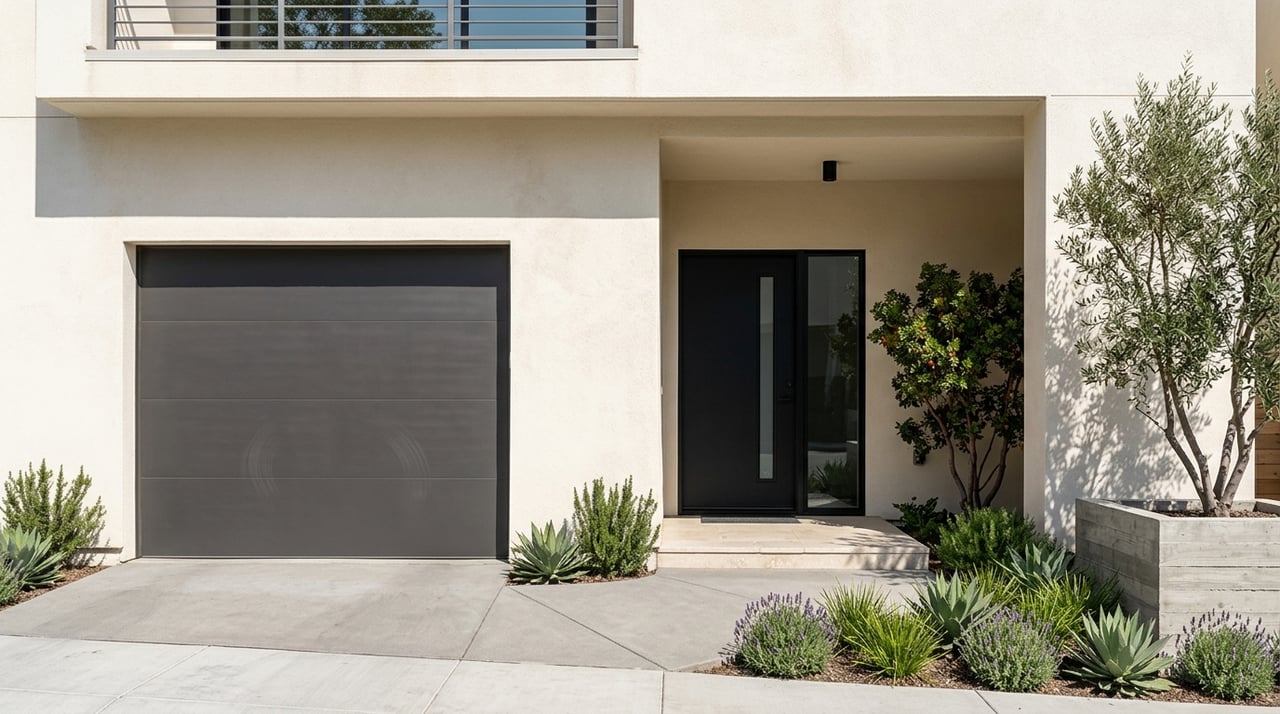
Wondering whether a Santa Monica condo or townhome is the right fit for your lifestyle and budget? If you want beach access, walkable daily conveniences, and a lower-maintenance home than a detached house, attached living can make a lot of sense here. The key is knowing how to compare buildings, HOA health, parking, rental rules, and neighborhood tradeoffs before you write an offer. Let’s dive in.
Why Santa Monica Appeals to Attached-Home Buyers
Santa Monica packs a lot into 8.3 square miles, including three miles of Pacific beaches, established residential areas, and active commercial districts. For buyers, that means you can compare neighborhoods based on how you actually want to live, not just by price alone.
The city identifies distinct areas such as Downtown/Third Street Promenade, Main Street, Mid-City, Montana Avenue, Ocean Park, Sunset Park, Wilshire Boulevard, and the Pico Neighborhood. That local framework is helpful when you are weighing tradeoffs like beach proximity, transit access, parking, and the feel of the building itself.
Transit can also shape value. Metro’s E Line runs between East Los Angeles and Santa Monica, so some buyers place a premium on homes near stations to reduce car use. Even so, in Santa Monica, parking still matters enough that it should be part of your search from day one.
Condo vs Townhome in Santa Monica
A condo and a townhome can offer very different ownership experiences, even when they are similarly priced. In general, a townhome may feel more like a single-family home because it often has a more private entrance, multiple levels, or a bit more separation from neighbors.
At the same time, if the townhome is part of an HOA, you still need the same level of document review you would give a condo. The structure may look simpler from the outside, but your financial and legal due diligence is still tied to the association.
When you compare options, focus on practical differences such as:
- Monthly HOA dues
- Building reserves and possible special assessments
- Parking included with the unit
- Private outdoor space, if any
- Elevator or shared-entry setup
- Rental restrictions
- Proximity to the beach, E Line, or commercial corridors
Start With the HOA Packet
In Santa Monica, one of the most important parts of buying an attached home happens on paper. California Civil Code Section 4525 requires the seller to provide key documents for homes in a common-interest development, including governing documents, annual budget materials, statements of assessments and unpaid charges, unresolved violation notices, and other building disclosures.
That same law also requires the most recent exterior-elevated-element inspection report to be included if the buyer requests the documents. For you, that means the HOA packet is not just routine paperwork. It is one of the clearest windows into how the building is run.
Under Civil Code Section 4530, the association must provide requested disclosure documents within 10 days of a written request, and only a reasonable fee based on actual document costs may be charged. In real terms, this is why it is smart to request documents early enough to review them before your contingency deadlines arrive.
What to Review in HOA Documents
Not all HOA packets carry the same risk signals. Some buildings are well-organized and transparent, while others raise concerns in the budget, reserve summary, or repair history.
California Civil Code Section 5300 says the annual budget report must include a pro forma operating budget, reserve summary, reserve funding plan, possible special assessment information, outstanding loans, insurance summaries, and FHA or VA certification status for condo projects. That gives you a practical checklist for review.
As you go through the documents, pay close attention to:
- Reserve funding: Are reserves being funded at a level that suggests the association is planning ahead?
- Special assessments: Is there mention of upcoming charges for repairs or deferred maintenance?
- Outstanding loans: Has the HOA borrowed money that may affect future finances?
- Insurance summaries: What does the HOA policy cover, and what does it not cover?
- Violations and disputes: Are there unresolved notices or issues that may affect your ownership experience?
One detail buyers often miss is insurance. Civil Code Section 5300 specifically warns that HOA insurance may not cover your personal property or interior improvements, so you should read the insurance pages carefully instead of assuming the master policy covers everything.
Balcony and Exterior Repair Questions
This is a major due diligence item for many California condo buildings. Under Civil Code Section 5551, condominium associations with three or more attached units must inspect balconies, decks, stairs, and similar exterior elevated elements at least once every nine years, and the first inspection had to be completed by January 1, 2025.
If an inspector identifies an immediate safety threat, the association must report it promptly and prevent access until repairs are approved. For buyers, that makes it essential to ask whether the inspection has been completed and whether repairs, waterproofing work, or access restrictions are pending.
Before you move forward with a unit, ask these questions clearly:
- Has the exterior-elevated-element inspection been completed?
- Were any balcony, stair, or deck issues identified?
- Are repairs already scheduled or budgeted?
- Could a special assessment be needed for the work?
- Is the inspection report included in the resale documents?
Parking Can Be a Deal Breaker
In Santa Monica, parking is not a small detail. It can directly affect your day-to-day convenience, your resale appeal, and how guests experience your home.
The city manages residential parking permits and beach parking permits, and overnight beach resident and guest permits are only available to residents in a defined coastal zone and only in specified beach lots. Because of that, you should not assume city permit options will make up for limited building parking.
Instead, verify the exact setup for the unit you are considering. A deeded or assigned parking space can be a major asset, and guest parking rules can matter just as much if you regularly host friends or family.
Ask for clarity on:
- Number of spaces included
- Whether parking is deeded, assigned, or tandem
- Guest parking availability and rules
- EV charging, if relevant to your needs
- Storage tied to the parking area
- Street parking realities nearby
Understand Santa Monica Rental Rules
If you think you may rent out the property later, Santa Monica has local rules worth reviewing before you buy. The city says some units built after 1979 and some properties with three or fewer units, with one owner-occupied, may be exempt from rent control, so you should verify the status of the specific unit rather than making assumptions.
Short-term rental rules are also important. Santa Monica says short-term vacation rentals where the host does not live on site are prohibited, while home-sharing is allowed only when the resident host is present and city rules are followed.
That means buyers should pay more attention to long-term rental potential and HOA leasing restrictions than to any short-term rental strategy. If future flexibility matters to you, confirm both the city rules and the HOA rules for the exact property.
Comparing Santa Monica Neighborhoods
Santa Monica gives attached-home buyers a wide range of location choices within a relatively compact city. The right fit often comes down to your preferred balance of beach access, transit, parking ease, and daily walkability.
Downtown and Third Street Promenade
Downtown Santa Monica is described by the city as a thriving neighborhood, public gathering space, and business district. The Third Street Promenade sits in the heart of Downtown, just moments from the beach, which makes this area especially appealing if you want a highly active setting close to shopping, dining, and the shoreline.
For condo and townhome buyers, the tradeoff can be intensity. You may gain convenience and energy, but you will also want to look closely at parking, guest access, and building rules.
Main Street and Ocean Park
Main Street and Ocean Park often appeal to buyers who want a coastal lifestyle paired with neighborhood-serving businesses and outdoor access. The city describes Ocean Park Boulevard as pedestrian- and bicycle-oriented and notes libraries, commercial districts, and traffic-safety improvements.
In practical terms, this area may be a strong match if you value being able to get around easily without relying on your car for every errand. Still, you should compare building parking and outdoor-space options carefully, since those features can vary a lot from one property to the next.
Mid-City, Wilshire, and Pico
Mid-City, Wilshire Boulevard, and the Pico Neighborhood can be useful areas to compare if you want broader access across Santa Monica and toward the rest of Los Angeles. Depending on the exact property, you may also find advantages in relation to E Line access or major streets.
For buyers focused on function, these neighborhoods can be worth a close look. It helps to compare commute patterns, parking setup, and how much of your daily routine you want to handle on foot, by bike, or by rail.
Montana Avenue and Sunset Park
Montana Avenue and Sunset Park offer additional options for buyers who want a specific neighborhood feel within Santa Monica. As with every local area, the best choice depends less on labels and more on the building, block, parking situation, and the kind of daily rhythm you want.
This is where an informed, side-by-side comparison matters most. Two properties with similar square footage can feel very different based on HOA strength, outdoor space, street conditions, and how easily you can reach the places you use most.
A Smart Buyer Checklist
Before you make an offer on a Santa Monica condo or townhome, use a checklist that reflects how attached-home ownership actually works here. A polished kitchen or a sunny balcony should never distract from the fundamentals.
Here are the questions worth asking early:
- What do the HOA dues cover?
- Are reserves well funded?
- Are special assessments planned or likely?
- Has the building completed the required exterior-element inspection?
- Are balcony or waterproofing repairs pending?
- What parking is included with the unit?
- Are there guest parking restrictions?
- Does the building allow your intended rental use?
- How close is the property to the beach, E Line, or a walkable commercial corridor?
Why Guidance Matters in Santa Monica
Santa Monica attached-home purchases can look straightforward at first, but the real decision usually comes down to details that are easy to miss. Building finances, inspection history, parking logistics, and local rental rules can all shape the long-term value of the home you choose.
That is why a tailored buying strategy matters. When you work with someone who understands the Westside and takes a concierge approach to due diligence, you can move with more confidence and less guesswork.
If you are considering a condo or townhome in Santa Monica, Amanda Watkins can help you compare neighborhoods, evaluate buildings, and navigate the process with clear, hands-on guidance.
FAQs
What should you review before buying a Santa Monica condo?
- Review the HOA governing documents, annual budget materials, reserve summary, assessment information, insurance summaries, unresolved violation notices, and any requested exterior-elevated-element inspection report.
What makes parking important for a Santa Monica townhome or condo?
- Parking can affect daily convenience, guest access, and resale appeal, so you should confirm how many spaces are included and whether they are deeded, assigned, tandem, or subject to building rules.
What do Santa Monica buyers need to know about HOA dues?
- HOA dues should be evaluated alongside what they cover, whether reserves are being funded, and whether the association may need a special assessment for repairs or deferred maintenance.
What should Santa Monica buyers ask about balcony inspections?
- Ask whether the association completed the required exterior-elevated-element inspection, whether any issues were found, and whether repairs or special assessments are pending.
What should Santa Monica buyers know about renting out a condo later?
- Buyers should verify the unit’s rent-control status and review both city rules and HOA leasing restrictions, especially because short-term vacation rentals without a resident host are prohibited in Santa Monica.
What Santa Monica neighborhoods should condo buyers compare?
- Buyers can compare areas such as Downtown/Third Street Promenade, Main Street, Mid-City, Montana Avenue, Ocean Park, Sunset Park, Wilshire Boulevard, and the Pico Neighborhood based on transit, beach access, parking, and daily convenience.