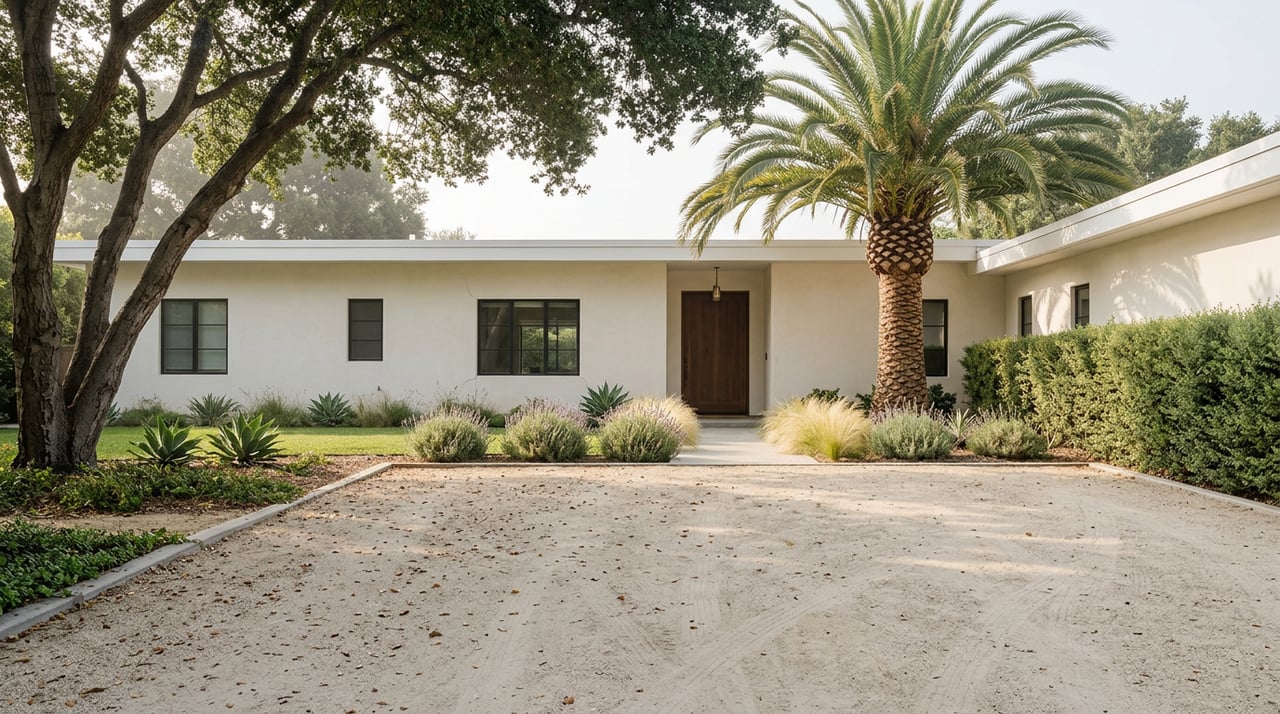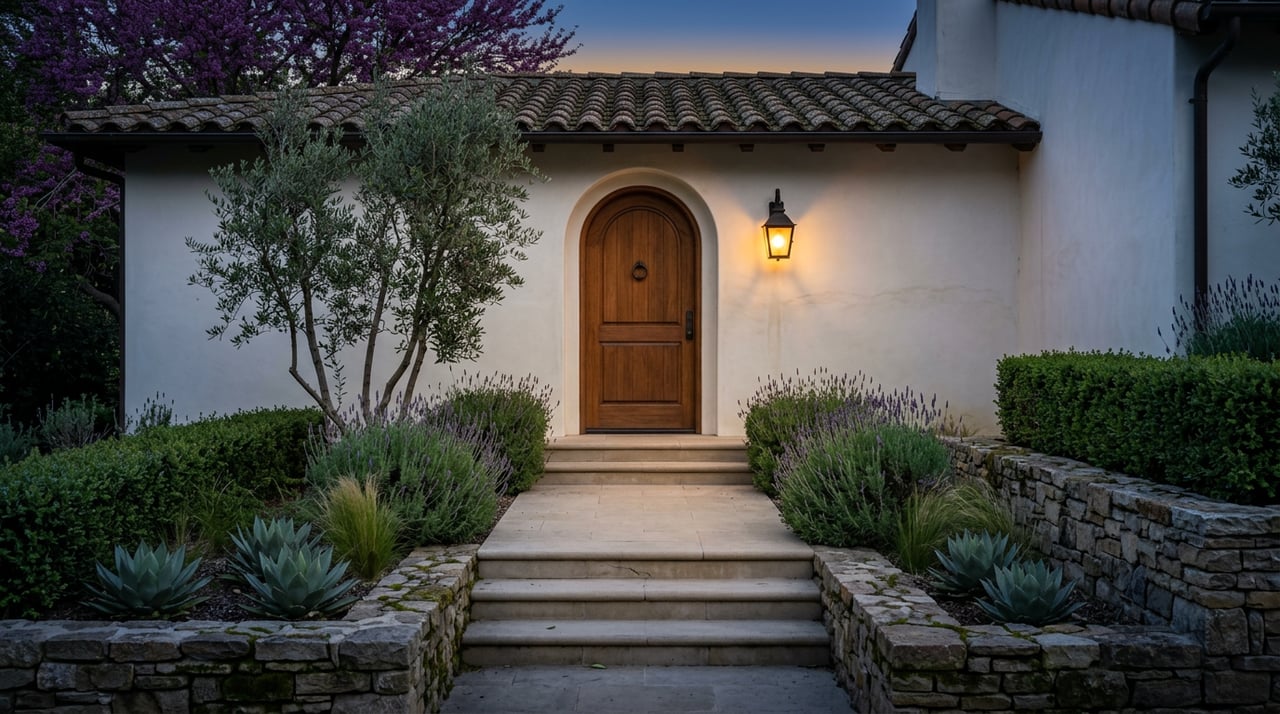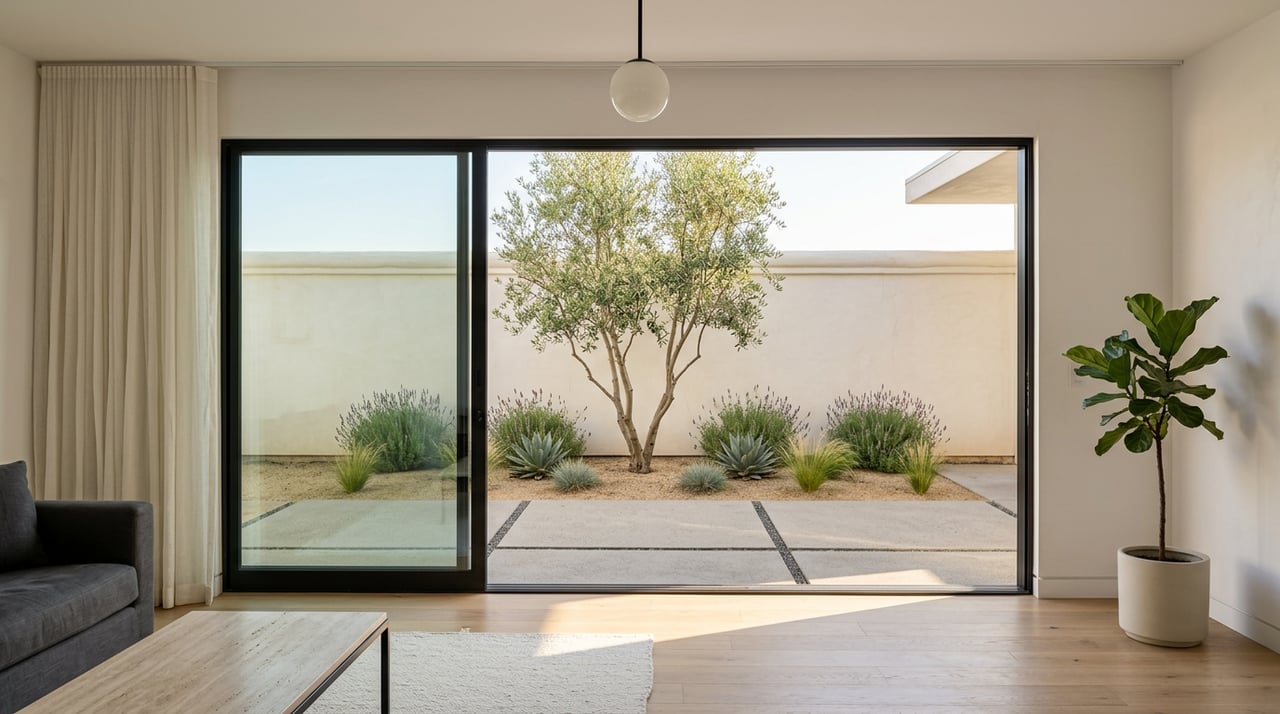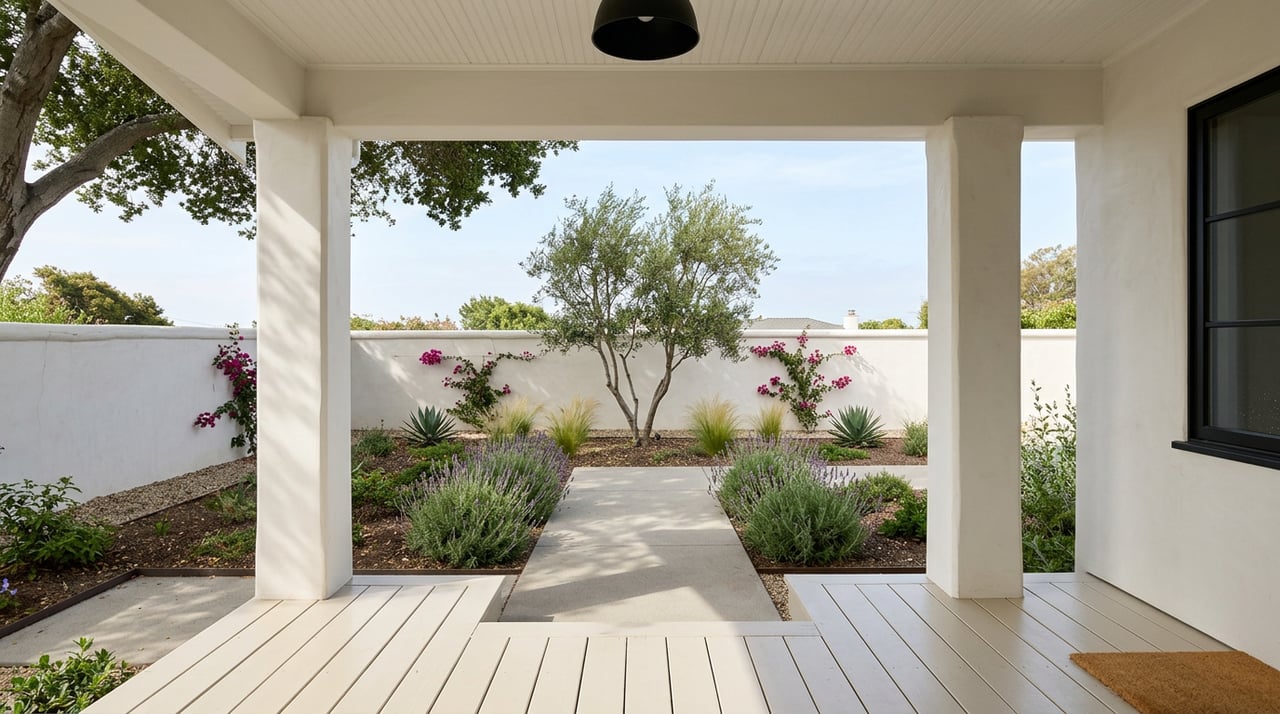
If you are considering Hope Ranch, one question matters more than almost any design detail or view line: will this be your everyday home or your coastal retreat? That choice shapes how you use the property, how you manage upkeep, and how comfortable you feel with the neighborhood’s rules and rhythms. In a community built around estate living, private roads, trails, and active oversight, the right fit often comes down to lifestyle and stewardship. Let’s dive in.
Why Hope Ranch feels different
Hope Ranch is not a typical subdivision. According to the Hope Ranch Park Homes Association building guidelines, the community was established to preserve natural beauty and a rural setting, with Association review of design, landscaping, and improvements to protect character, privacy, quiet enjoyment, and view corridors.
That structure affects how you own and use a home here. The Association maintains common areas, private roads, and equestrian trails, and it manages coastal access as part of the neighborhood framework. For many buyers, that is part of the appeal. It also means Hope Ranch ownership comes with a more involved level of oversight than you may find in other luxury enclaves.
The service setup is also unusually organized. The HOA website offers online payments, e-statements, governing documents, service requests, and homeowner resources, along with patrol and maintenance contacts. That can be especially useful if you plan to spend time away from the property.
Utilities add another layer of distinction. La Cumbre Mutual Water Company serves Hope Ranch and nearby acreage as a mutual-benefit company owned by landowners, and the City of Santa Barbara has identified Hope Ranch and the Hope Ranch Annex area as a primary service area for recycled-water deliveries to the company. In practical terms, Hope Ranch runs on systems and institutions that are closely tied to the community itself.
Full-time living in Hope Ranch
If you want Hope Ranch to be your primary residence, the community can be a strong fit for year-round living. Santa Barbara’s 1991 to 2020 NOAA climate normals show an annual mean temperature of 62.5°F, annual precipitation of 18.98 inches, and no measurable annual snowfall. That mild pattern supports the kind of indoor-outdoor lifestyle many buyers are seeking.
Still, full-time ownership here tends to work best when you are comfortable with active property management. The Association’s guidelines require owner approvals and county permits for construction, and those rules can apply to more than major remodels. Fences, driveways, landscaping, guest houses, barns, paddocks, pools, generators, and other site features may all fall within the review framework.
That matters because daily life in Hope Ranch is tied to the condition of the property. If you live in the home full time, it is easier to keep up with landscaping, monitor exterior wear, coordinate service providers, and stay ahead of any needed approvals. You are more likely to use the trails, roads, and coastal setting regularly, which can make the ownership structure feel more natural and worthwhile.
What full-time buyers should prioritize
If you plan to live in Hope Ranch year-round, these features often become more important:
- Flexible floor plans for everyday living
- Good storage for long-term household needs
- Garage or parking capacity that supports regular use
- Durable exterior materials that handle frequent wear
- Grounds that are attractive but realistic to maintain
- Outdoor spaces you will actually use throughout the year
In other words, convenience matters. A beautiful estate is one thing. A beautiful estate that also works smoothly on a Tuesday in February is something else.
Second-home ownership in Hope Ranch
Hope Ranch can also work very well as a second home, especially if you want occasional coastal stays and have a clear maintenance plan. The same structure that creates oversight can also help with remote ownership. Through the HOA’s online resources and the water company’s account and emergency tools, owners have access to systems that support management from afar.
That said, second-home ownership here is not passive. The Association states that owners are responsible for maintaining structures, landscaping, and improvements in a high state of repair. The building guidelines also note that septic systems should be inspected every 2 to 4 years depending on use, household size, and soil conditions, and the County requires septic inspection when a property is sold.
For part-time owners, this shifts the focus from lifestyle features alone to operational ease. A property that looks turnkey but requires constant irrigation, frequent trimming, or hands-on monitoring may feel far less convenient once you are away for weeks or months at a time.
What second-home buyers should prioritize
If this will be a lock-and-leave property, the most useful features are often the least flashy:
- Remote alarm and leak monitoring
- Easy access to shutoff points
- Dependable local vendors or a caretaker
- Weather-tolerant, lower-maintenance landscaping
- Systems that can be monitored and serviced efficiently
- A home that already aligns with Association design expectations
These details can make a major difference in how easy the home is to own. In Hope Ranch, peace of mind often comes from preparation, not just presentation.
Wildfire and resilience matter more for part-time owners
Wildfire planning should be part of your decision either way, but it is especially important if you will not be on site full time. The Hope Ranch Firewise page states that the community is an official Firewise USA site and notes that the certification may help support insurance eligibility or discounts. The Association also encourages owners to know evacuation routes and alternative exits.
Santa Barbara County Fire requirements can also affect a sale. The same Firewise resource explains that when property in a high, very high, or county-defined fire hazard severity zone is sold, documentation of a compliant defensible-space inspection is required. If you are comparing homes, it is wise to understand not only the house itself, but also the parcel’s wildfire profile and the work needed to maintain compliance.
For second-home buyers, this usually means having a trusted local support plan before closing. Someone needs to be responsible for inspections, storm response, vegetation checks, and post-event follow-up when you are away.
Costs and occupancy choice
Your intended use can also affect carrying costs. If the home will be your principal residence, California’s homeowners’ exemption may apply. The exemption is available only for an owner-occupied principal residence and provides a $7,000 reduction in taxable value.
That is not usually the deciding factor in a Hope Ranch purchase, but it is still a practical distinction. If you are weighing full-time use against second-home ownership, occupancy status should be part of the financial conversation.
Questions to ask before you buy
Whether you are leaning toward full-time living or a second home, the right questions can save time and help you avoid surprises.
Ownership and access
Ask which rights are attached to the parcel for roads, trails, coastal access, and common-area use. Because these features are association-managed, it is important to confirm the rights tied to the specific property.
Also ask whether the home already aligns with current Association design and landscaping expectations. If you are planning changes, you will want to understand what may require review and permitting.
Systems and upkeep
Find out whether the property is on septic or another onsite system, and ask when it was last inspected. Clarify which utility providers serve the parcel and how emergency shutoffs, account management, and service response work.
You should also look closely at the landscaping. A large lot can feel very different depending on whether the grounds are designed for low-touch ownership or frequent hands-on maintenance.
Safety planning
Review the parcel’s wildfire exposure, defensible-space needs, and evacuation considerations. If you will be away often, ask who will handle inspections and property checks during your absence.
Which option is the better fit?
In Hope Ranch, the answer is rarely about prestige alone. It is about how you want to interact with the property and whether the home matches your availability, habits, and expectations.
A full-time residence often makes sense if you want to enjoy the setting every day and you are comfortable staying engaged with upkeep, approvals, and ongoing property care. A second home can be a great fit if you want a coastal base, prefer shorter stays, and are prepared to build a reliable local management plan.
The best Hope Ranch purchase is the one that fits the way you will actually live. If you are weighing these options and want a tailored, concierge-level perspective on what to look for, Amanda Watkins can help you evaluate the practical side of ownership with clarity and discretion.
FAQs
Is Hope Ranch better for a second home or a full-time residence?
- It depends on how hands-on you want to be. Full-time owners may find it easier to manage upkeep and approvals, while second-home owners usually benefit from turnkey homes and strong local support.
What makes Hope Ranch different from other luxury neighborhoods?
- Hope Ranch is shaped by Association-controlled estate living, with private roads, trails, coastal access, design review, and community-managed resources that create a more structured ownership experience.
What should second-home buyers in Hope Ranch look for?
- Second-home buyers should focus on low-maintenance landscaping, remote monitoring systems, dependable local vendors, and homes that already fit Association expectations.
What should full-time buyers in Hope Ranch consider?
- Full-time buyers should look for homes that support daily convenience, including durable materials, useful storage, functional parking, and outdoor spaces that work well year-round.
Do Hope Ranch buyers need to think about wildfire planning?
- Yes. Wildfire planning is an important part of ownership, especially for part-time residents, and sale-related defensible-space documentation may be required for some properties.
Does occupancy affect property taxes in Hope Ranch?
- Yes. If the home is your principal residence, California’s homeowners’ exemption may apply, reducing taxable value by $7,000.